Paint Coverage Calculator
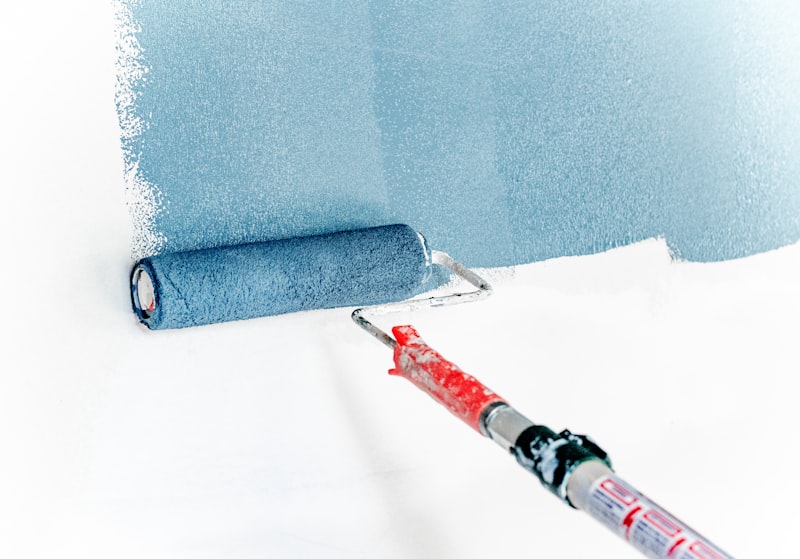
This tool answers a narrower question than our full painting cost calculator: not what a paint job costs, but exactly how many gallons to buy so you're not making a second trip to the store mid-coat.
Paint Coverage Calculator
Enter your measurements below for an instant quantity estimate.
Add up the length of every wall you're painting.
Each opening is assumed at 20 sq ft.
Check your paint can. Most quality paint covers 300 to 400 sq ft per gallon on primed drywall.
Rounded up to the nearest quart. Texture, unprimed drywall, and dramatic color changes all reduce real coverage below the can's stated number.
Gross Wall Area vs. What You Actually Paint
Total wall area minus doors and windows is your real paintable surface, and it's usually smaller than people expect. This calculator assumes about 20 square feet per door or window opening, which is a reasonable average for standard-sized openings; adjust the count up or down if your room has an unusual number of them.
Why the Can's Coverage Number Runs Optimistic
Paint manufacturers test coverage on smooth, primed drywall with a single even coat. Real walls are rarely that cooperative. Textured surfaces, unprimed drywall, and porous patched areas all soak up more paint than the can's rating assumes. Two coats is standard for most color changes, and going from a dark wall to a light color, or the reverse, can genuinely need three.
Primer: When You Actually Need It
Primer isn't always a separate step. If you're repainting a wall roughly the same color, and the existing paint is in good shape without stains or bare drywall patches, most quality paints today include enough built-in adhesion and hide to skip a dedicated primer coat. Primer becomes necessary again for three common situations: covering a dramatic color change, painting bare drywall or wood for the first time, or sealing a water stain, since regular paint alone won't stop a stain from bleeding through even after several coats.
Estimating Paint for Exterior Walls
Exterior siding eats more paint per square foot than a smooth interior wall because textured surfaces like stucco, wood shakes, or brick have far more actual surface area than their flat footprint suggests. A rough stucco wall can need 20% to 40% more paint than the same square footage of smooth interior drywall, which is worth accounting for by nudging the coverage-per-gallon field down when using this calculator for an exterior job rather than assuming interior numbers carry over directly.
Frequently Asked Questions
How many gallons of paint do I need for one bedroom?
A typical 12x12 bedroom with 8-foot ceilings and two coats usually lands around 2 gallons for the walls, though it depends heavily on how many doors and windows are cutting into that wall area. Run your exact numbers through the calculator above rather than relying on a flat rule of thumb.
Do I need to calculate the ceiling separately?
Yes. Ceilings are almost always painted with a flat finish, different from the walls, so treat the ceiling as its own area and coverage calculation.
How many square feet does a gallon of paint cover?
Most quality paint covers 300 to 400 square feet per coat on primed drywall, which is the default this calculator uses. Check your specific can, since cheaper paints and deep, saturated colors both tend to run lower.
Why did I run out of paint even though the can said it covers 400 square feet?
That number assumes smooth, primed drywall and one thin, even coat. Texture, unprimed patches, and a second coat all eat into that coverage faster than the label suggests.
Do I need primer if I'm painting a similar color?
Usually not, as long as the existing paint is intact and you're not making a dramatic color shift. Save primer for bare drywall, stain sealing, or major color changes.
Why does exterior paint need more coverage than interior paint?
Textured exterior surfaces like stucco, brick, and wood shakes have significantly more actual surface area than their flat square footage suggests, which is why exterior jobs often need 20% to 40% more paint than the same square footage would on smooth interior drywall.
Can I mix paint from two different cans to make sure I have enough?
Yes, and it's actually the safer move for a big room. Pour both cans into a larger clean bucket and mix thoroughly, since even two cans from the same store tinted separately can have a very slight color variation that shows up as a visible line if applied side by side unmixed.
How much paint do I need for a whole house exterior?
It varies enormously by home size and siding texture, but as a rough starting point, a typical 2,000 square foot single-story home's exterior often needs 8 to 12 gallons for two coats. Run your home's actual wall dimensions through the calculator above rather than relying on a flat average, since siding texture and trim complexity shift that number significantly.
Should I buy paint and primer in one product to save steps?
Paint-and-primer-in-one products work fine for a same-color refresh over sound existing paint, but they don't replace true primer's stain-blocking and bonding power for bare drywall, water stains, or dramatic color changes. Treat the combined product as a convenience for easy jobs, not a substitute for primer on harder ones.
Related Remodeling Calculators
Square Footage Calculator
Calculate the square footage of any room, including L-shaped spaces. Get results in square feet, square meters, and square yards.
EstimatorAcreage Calculator (Acres to Square Feet)
Convert acres to square feet, square yards, and hectares instantly. See exactly where the 43,560 square feet number comes from.
EstimatorMulch & Topsoil Calculator
Find out how many cubic yards or bags of mulch, topsoil, or gravel you need. Just enter your bed's length, width, and depth.
In this Category
Planning to Finance This Project?
Model what a renovation loan would cost per month across different amounts, terms, and credit profiles, and read how HELOCs, home equity loans, and personal loans actually differ before you approach a lender.
Model Monthly Payments →US and Canada Pricing
Pricing rates represent consolidated metrics across US Midwest/South, US East/West Coasts, and major Canadian Metropolitan districts.