Drywall Installation Cost Calculator
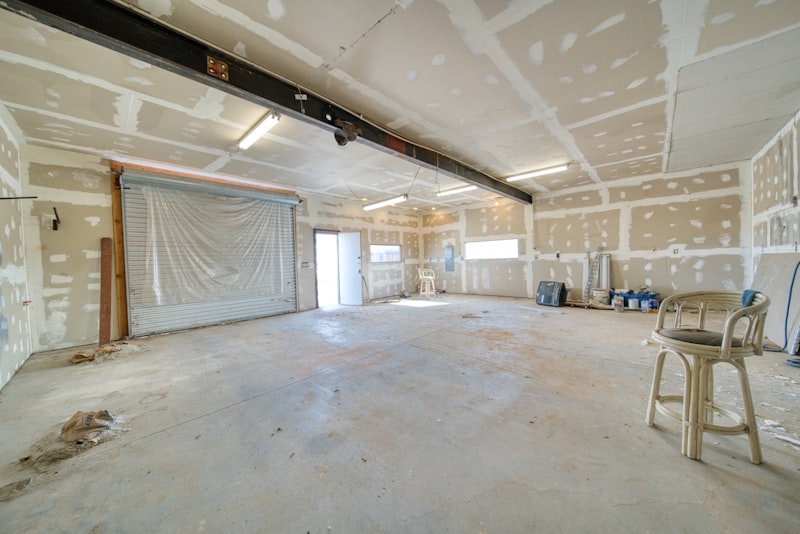
Drywall (often called sheetrock) provides the essential canvas for your home's paint and trim, and it shows up in every kind of project: wrapping a newly framed basement, finishing a garage, or repairing rooms after a water leak. Our interactive drywall installation cost calculator estimates the price of sheets, joint compound, fastener hardware, and highly skilled professional labor based on your wall and ceiling surface area.
Interactive Project Calculator
Customize dimensions, region multipliers, and localized specifications to estimate range-based costs.
Valid dimension spectrum: 100 to 15000 sq ft
Three-Tier Quality Specification Costs
Select to recalculateNeed detailed project blueprints and timelines?
Compile a comprehensive localized budget PDF containing checklists and task outlines.
⚠️ Disclaimer: This is an estimate for planning purposes only. Demolition and disposal of old plaster/drywall, wall insulation, and repairs from severe structural settling are not included in these baseline rates.
Understanding Sheetrock Cost Per Square Foot
Drywall contractors typically price their work by the square foot of wall and ceiling surface area, which is roughly 3 to 4 times the floor square footage of the room. Hanging drywall is a heavy physical labor step, but the true artistry lies in the taping and mudding phase. Multiple thin layers of joint compound are applied over paper joint tape, sanded perfectly flat, and feathered out so that the seams vanish completely under paint.
| Finish Quality Level | Hanging & Mudding Process | Average Cost (per sq ft) | Recommended Application |
|---|---|---|---|
| Level 3 Finish | Hanging, taped seams, 2 layers of mud. Texture spray often applied. | $1.80 - $2.40 | Garages, attics, or ceilings where heavy texture hides seams |
| Level 4 Finish (Standard) | Hanging, taped seams, 3 layers of mud, sanded flat. Ready for flat paint. | $2.50 - $3.50 | Living rooms, bedrooms, standard residential interior walls |
| Level 5 Finish (Premium) | Level 4 plus complete skim coat of mud across entire drywall surface. | $3.80 - $5.50 | High-end homes, walls painted with semi-gloss, or critical glancing light |
Drywall Material Types and Thicknesses
Standard interior walls use 1/2-inch thick drywall sheets. For ceilings, contractors prefer 1/2-inch high-strength or sagging-resistant boards. In wet zones like bathroom showers and laundry rooms, you must install mold and moisture-resistant drywall (known as Greenboard) or specialized cement backer boards. For shared garage walls and multi-family fire safety codes, contractors must install 5/8-inch thick Type X fire-rated drywall panels, which contain fiberglass fibers designed to slow heat transmission.
- Scaffold Fees: High cathedral or vaulted ceilings exceeding 10 feet require scaffolding, adding a 15% to 25% surcharge to labor rates.
- Priming Matters: New drywall is extremely thirsty. You must apply a specialized PVA (Polyvinyl Acetate) primer sealer before painting, otherwise the joint compound joints will absorb paint unevenly and stand out visually (ghosting).
Patching a Small Hole vs. Hanging a Full Wall
Small drywall repairs, nail pops, doorknob dents, a patched-over outlet, get priced completely differently than a full room. Most drywall contractors charge a flat minimum fee for a small patch job, often $150 to $300 regardless of how tiny the hole is, since the cost is mostly about the trip, matching the existing texture, and letting mud dry between coats rather than material. If you're patching more than a handful of small holes across a room, it's often cheaper per square foot to just hire the crew to skim-coat the whole wall instead of feathering out several individual patches.
Matching Texture on Older Homes
Homes built before the 1990s often have wall or ceiling textures, orange peel, knockdown, or popcorn, that newer drywall crews rarely practice anymore. Patching a section of textured wall with smooth Level 4 mud creates an obvious flat spot once painted, so matching old texture usually means a contractor test-spraying a sample board first to dial in the right texture gun settings and mud consistency before touching your actual wall. Popcorn ceilings installed before 1980 sometimes contain asbestos, and should be tested by a professional before any sanding or scraping disturbs the material.
Frequently Asked Questions
Is drywall installation cheaper if I hang it myself and hire a pro to tape?
It can save money, but many professional tapers will refuse the project or charge a higher rate if the boards are hung poorly. Inexperienced hanging with wide board gaps, loose screws, or incorrect joint offsets makes taping exponentially harder and prone to cracking.
How do I calculate the total drywall surface area of a room?
To calculate wall surface area, multiply the room's total wall perimeter by the ceiling height. Add the ceiling area (length x width) if finishing the ceiling. For a standard 12' x 12' room with 8-foot ceilings, this totals roughly 384 sq ft of walls and 144 sq ft of ceiling, or 528 sq ft of total sheetrock.
How much does it cost to patch a small drywall hole?
Most contractors charge a flat minimum, typically $150 to $300, for a small patch job regardless of hole size, since matching texture and letting mud cure between coats takes the same time whether the hole is fist-sized or much smaller.
Is it safe to sand an old popcorn ceiling myself?
Not without testing it first. Popcorn ceilings installed before 1980 can contain asbestos, and disturbing it by sanding or scraping without professional testing and, if needed, abatement is a genuine health risk, not just a cosmetic issue.
How messy is a drywall installation project?
Sanding joint compound produces a fine, chalky dust that travels through a house far more readily than most people expect. Professional crews typically seal off doorways with plastic sheeting and run a vacuum-sander attachment, but even then, expect a light film of dust in adjoining rooms unless the whole area is sealed off.
Related Remodeling Calculators
Interactive Paint Calculator & Interior Cost Guide
Calculate interior house painting costs with our interactive paint calculator. Get detailed low, mid, and high cost estimates based on paint quality and region.
EstimatorHardwood & Luxury Flooring Cost Calculator
Estimate flooring installation cost per square foot with our flooring cost calculator. Covers hardwood, engineer timber, and labor for US & Canada.
EstimatorInteractive Tile Calculator & Material Estimator
Get an accurate backsplash tile cost estimate or bathroom floor tiling estimate. Calculate tile materials, mortar, grout, and skilled masonry labor ranges.
In this Category
Planning to Finance This Project?
Model what a renovation loan would cost per month across different amounts, terms, and credit profiles, and read how HELOCs, home equity loans, and personal loans actually differ before you approach a lender.
Model Monthly Payments →US and Canada Pricing
Pricing rates represent consolidated metrics across US Midwest/South, US East/West Coasts, and major Canadian Metropolitan districts.