Epoxy Garage Floor Cost Calculator
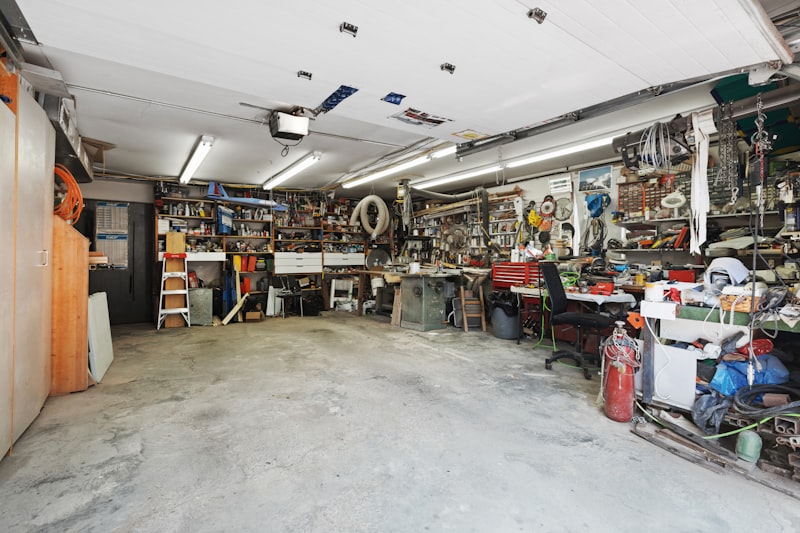
Applying an epoxy or polyaspartic coating to your garage floor transforms a dark, oil-stained concrete slab into a clean, light-reflective, and chemically resistant workshop. From simple DIY paint kits to heavy-duty professional full-chip systems, our epoxy garage floor cost calculator helps you model material costs and local installation labor.
Interactive Project Calculator
Customize dimensions, region multipliers, and localized specifications to estimate range-based costs.
Valid dimension spectrum: 100 to 3000 sq ft
Three-Tier Quality Specification Costs
Select to recalculateNeed detailed project blueprints and timelines?
Compile a comprehensive localized budget PDF containing checklists and task outlines.
⚠️ Disclaimer: This is an estimate for planning purposes only. Garages with existing paint, severe oil contamination, or hydrostatic moisture emission will require specialized remediation and higher labor prep fees.
Concrete Prep: The Essential Secret to Non-Peeling Epoxy
The number one cause of epoxy garage floor failure, where the hot tires of your car pull the coating right off the slab (hot-tire pickup), is poor surface prep. Epoxy cannot bond to smooth, oily, or sealed concrete. Professional installers never use simple acid etching. Instead, they use commercial walk-behind diamond grinding machines or shot-blasters to open up the concrete pores, creating a rough texture resembling medium-grit sandpaper.
| Coating Material Tier | Prep Method Standard | Average Cost (per sq ft) | Lifespan Expected |
|---|---|---|---|
| DIY Water-Based Epoxy Kit | Basic acid etch / pressure washing | $2.50 - $4.00 | 1 - 3 Years (Prone to tire peeling) |
| Professional Solid-Color Epoxy | Professional diamond grinding prep | $5.50 - $7.50 | 5 - 10 Years (Highly chemical resistant) |
| Premium Polyaspartic System | Diamond grinding + crack filling + full chip | $8.00 - $11.50 | 15 - 20+ Years (UV-stable, zero hot-tire wear) |
Epoxy vs. Polyaspartic Coatings
While 'epoxy' is the general term most homeowners use, professional floor coating installers frequently recommend polyaspartic materials. Polyaspartic is an advanced hybrid polymer that cures extremely fast (usually in just one day, allowing you to drive on it the next). More importantly, polyaspartic is 100% UV-stable. Unlike traditional epoxy, which turns a dull yellow color when exposed to sunlight through open garage doors, polyaspartic remains crystal clear for decades.
- Moisture Testing: Before applying any coating, professionals tape a plastic sheet to the garage floor for 24 hours. If water droplets collect underneath, high moisture emission will ruin the bond, requiring a specialized moisture vapor barrier primer.
- Color Flakes & Safety: Adding decorative acrylic color flakes to the liquid epoxy is not just for styling; the texture creates an essential non-slip grip when the floor is wet or icy.
How Long Does an Epoxy Garage Floor Actually Last?
A properly prepped and applied epoxy or polyaspartic coating typically lasts 10 to 20 years before it needs a fresh topcoat, but that number swings hard based on how the garage gets used. A garage that mostly parks a car and stores a few tools will see the coating outlast a home workshop where a car gets worked on with jack stands, dropped tools, and the occasional chemical spill. Direct sunlight through an open garage door is also a factor: standard epoxy without a UV-stable topcoat will yellow and chalk faster than a shaded, north-facing garage door.
Can You Apply Epoxy Coating Yourself?
DIY epoxy kits from home improvement stores are genuinely usable for a light-duty garage, but the finished result depends almost entirely on how well the concrete gets prepped beforehand, and that's the step most DIY kits shortcut. A rented diamond grinder or aggressive acid etch, followed by a thorough rinse and full dry-out period, matters more to the final bond than which brand of epoxy ends up in the can. Homeowners who skip mechanical prep and go straight from a pressure wash to rolling on epoxy are the ones who see peeling within the first year or two.
Frequently Asked Questions
Can I apply epoxy over a severely cracked garage floor?
Yes, but all cracks, pits, and expansion joints must be thoroughly cleaned out, filled with heavy-duty epoxy gel or polyurea concrete patch, and diamond-ground perfectly flush before applying the baseline primer.
How long do I have to wait to park my car on a new epoxy floor?
For standard professional epoxy coatings, wait at least 3 days for foot traffic and 5 to 7 days before parking vehicles. For fast-curing polyaspartic coatings, foot traffic is safe in 4 hours, and vehicles can park on it after 24 to 48 hours.
How long does an epoxy garage floor coating last?
10 to 20 years for a properly prepped professional coating, though heavy workshop use, harsh chemical exposure, and direct UV through an open garage door can shorten that window considerably.
Is a DIY epoxy kit worth it compared to hiring a pro?
It can be, for a garage used mainly for parking rather than as a workshop, but the surface prep matters more than the product. A DIY kit applied over properly diamond-ground concrete will outlast a professional-grade epoxy rolled over a poorly prepped floor.
Can epoxy be applied over a painted garage floor?
Old paint has to come off first. Epoxy needs to bond directly to properly profiled bare concrete, and applying it over an existing paint or sealer just means the new coating will eventually peel along with whatever it was applied over, taking the epoxy with it.
Does epoxy garage flooring make the floor slippery when wet?
A smooth, glossy epoxy topcoat can get slick when wet, which is why most installers broadcast decorative color flakes or add an anti-slip additive to the final coat, especially in garages that double as a workshop or see snow melt tracked in during winter.
Related Remodeling Calculators
Interactive Paint Calculator & Interior Cost Guide
Calculate interior house painting costs with our interactive paint calculator. Get detailed low, mid, and high cost estimates based on paint quality and region.
EstimatorHardwood & Luxury Flooring Cost Calculator
Estimate flooring installation cost per square foot with our flooring cost calculator. Covers hardwood, engineer timber, and labor for US & Canada.
EstimatorInteractive Tile Calculator & Material Estimator
Get an accurate backsplash tile cost estimate or bathroom floor tiling estimate. Calculate tile materials, mortar, grout, and skilled masonry labor ranges.
In this Category
Planning to Finance This Project?
Model what a renovation loan would cost per month across different amounts, terms, and credit profiles, and read how HELOCs, home equity loans, and personal loans actually differ before you approach a lender.
Model Monthly Payments →US and Canada Pricing
Pricing rates represent consolidated metrics across US Midwest/South, US East/West Coasts, and major Canadian Metropolitan districts.