Interactive Paint Calculator & Interior Cost Guide
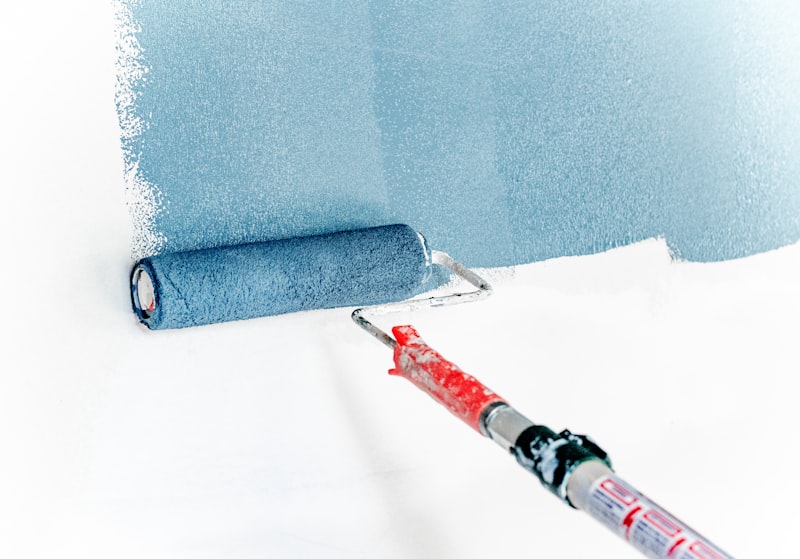
Applying a fresh coat of paint is the ultimate quick-win for home styling, but determining the cost to paint a room can still surprise homeowners. From a single nursery to an entire suburban home, our professional paint calculator delivers realistic estimates based on room square footage, drywall condition, and material tiers across the US and Canada.
Interactive Project Calculator
Customize dimensions, region multipliers, and localized specifications to estimate range-based costs.
Valid dimension spectrum: 50 to 5000 sq ft
Three-Tier Quality Specification Costs
Select to recalculateNeed detailed project blueprints and timelines?
Compile a comprehensive localized budget PDF containing checklists and task outlines.
⚠️ Disclaimer: This is an estimate for planning purposes only, not a contractor quote. Actual painting costs vary based on trim detail, wallpaper removal needs, ceiling height, and local contractor availability.
Real-World Pricing Variables in Interior Painting
A standard painting cost calculator must account for more than just paint cans. Professional painters spend roughly 60% to 75% of their billable hours on crucial site prep: patching nail holes, sanding drywall, tape-masking baseboards, and shielding furniture. For a standard 12x12 room, standard latex paint might only cost $50, but professional labor can add $300 to $600 depending on your locale.
| Material Quality Grade | Estimated Paint Cost (per Gallon) | Labor Rate Expectation (US/Canada) | Best Suited For |
|---|---|---|---|
| Basic Grade | $25 - $35 | $1.50 - $2.20 / sq ft | Rental properties, ceilings, low-traffic areas |
| Standard Grade | $40 - $55 | $2.20 - $3.50 / sq ft | Living rooms, bedrooms, average family homes |
| Premium / Low-VOC | $65 - $90+ | $3.50 - $5.80 / sq ft | Bathrooms, kitchens, high-traffic trim work |
How to Calculate the Square Footage of Wall Space
To estimate paint volume, measure the perimeter of your room and multiply it by the ceiling height. Subtract approximately 21 square feet for every standard door and 15 square feet for each standard window. One gallon of high-quality paint typically covers about 350 to 400 square feet with a single coat. We always recommend calculating for two coats to guarantee a uniform color depth and clean finish.
- Pro Tip: Don't skimp on primer, especially when covering dark paint colors with lighter shades. High-hide primers save you from needing a third or fourth coat of expensive tinted paint.
- Trim and Baseboards: Semi-gloss trim paints are heavier, and painting wood baseboards is slow work that contractors charge for separately.
- Ceilings: Ceilings require a specialized non-splatter flat paint that masks drywall imperfections under bright lighting.
Sheen Levels: Picking the Right Finish for Each Room
Paint sheen affects durability and appearance as much as color does. Flat and matte finishes hide wall imperfections best, which makes them the default for ceilings and low-traffic bedrooms, but they scuff more easily and can't be scrubbed hard without burnishing. Eggshell and satin sit in the middle, durable enough for living rooms and hallways while still looking soft rather than plasticky. Semi-gloss and gloss are the standard for kitchens, bathrooms, trim, and doors, since they resist moisture and wipe clean, though they also highlight every drywall flaw underneath, which is exactly why trim work gets extra sanding before paint.
How Long Does Fresh Paint Take to Fully Cure?
Paint feels dry to the touch within an hour or two, but that's not the same as cured. Latex paint typically reaches full hardness in about 2 to 4 weeks, and until then it's more vulnerable to scuffs, tape marks, and furniture dents. That's why most painters recommend waiting at least a few days before rehanging pictures or pushing furniture back against a freshly painted wall, and waiting the full cure window before scrubbing a wall with anything more aggressive than a damp cloth.
Frequently Asked Questions
How much paint do I need for a 12x12 room?
A standard 12' x 12' room with an 8-foot ceiling has roughly 384 square feet of wall area. Excluding minor window and door cutouts, you will need approximately 2 gallons of paint for two full coats, plus 1 gallon of primer if you are making a major color transition.
Why does professional interior painting cost vary so much by region?
Cost variation is driven heavily by local labor supply, regional minimum wages, and local cost of living. Painters in high-cost metro markets like Seattle or Toronto have much higher operating costs and insurance rates than painters in rural communities.
Do I really need two coats of paint?
Yes. Except for some highly specialized 'one-coat' premium guarantees applied over perfectly primed drywall, two coats are essential to hide brush strokes, avoid patchy sheens, and achieve the manufacturer's intended durability.
What sheen should I use in a bathroom?
Semi-gloss or satin. Both resist the moisture and mildew that flat paint absorbs over time in a humid bathroom, and both wipe clean without staining.
How soon can I wash a freshly painted wall?
Wait at least 2 to 4 weeks for latex paint to fully cure before scrubbing it. Light dusting is fine sooner, but aggressive cleaning too early can burnish or lift the finish.
Can I paint over wallpaper instead of removing it?
It's possible if the wallpaper is fully adhered with no peeling seams, using an oil-based primer to seal it first, but removing wallpaper first almost always gives a longer-lasting result, since paint applied over wallpaper can bubble if any moisture gets behind it later.
Does paint color affect the price of a painting job?
Not directly, but a dramatic color change, going from a deep navy to white, or the reverse, usually needs an extra coat or a tinted primer to fully hide the old color, which does add to the labor and material total.
Related Remodeling Calculators
Hardwood & Luxury Flooring Cost Calculator
Estimate flooring installation cost per square foot with our flooring cost calculator. Covers hardwood, engineer timber, and labor for US & Canada.
EstimatorInteractive Tile Calculator & Material Estimator
Get an accurate backsplash tile cost estimate or bathroom floor tiling estimate. Calculate tile materials, mortar, grout, and skilled masonry labor ranges.
EstimatorCarpet Installation Cost Calculator
Find the cost of new carpet per square foot installed. Our carpet cost calculator estimates polyester, nylon, and wool carpets with underlay padding.
In this Category
Professional Drywall Masking Prep
"Professional sprayers spend the vast majority of billable project time on tape-masking, sanding, and covering furniture. Actual rolling or spraying accounts for only 30% of total labor."
Planning to Finance This Project?
Model what a renovation loan would cost per month across different amounts, terms, and credit profiles, and read how HELOCs, home equity loans, and personal loans actually differ before you approach a lender.
Model Monthly Payments →US and Canada Pricing
Pricing rates represent consolidated metrics across US Midwest/South, US East/West Coasts, and major Canadian Metropolitan districts.