Central AC & Heat Pump Cost Calculator
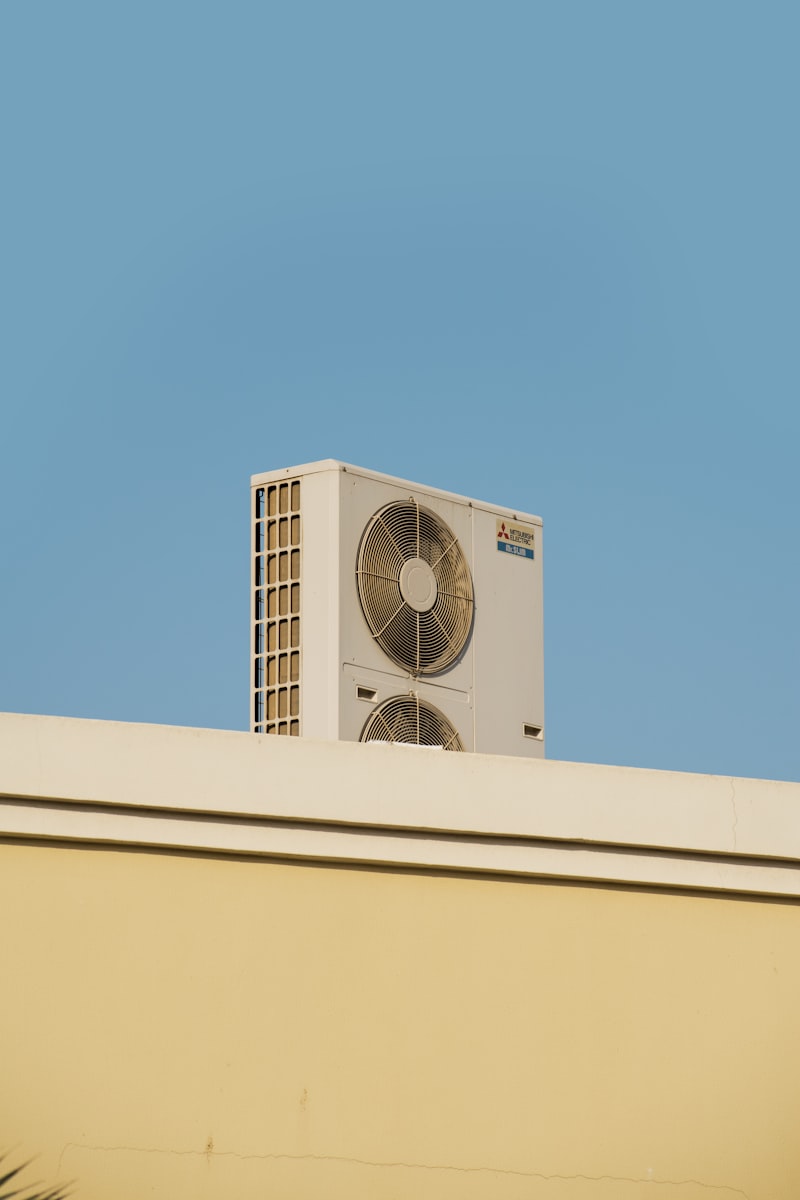
Upgrading your home's central cooling or replacing an aging forced-air system with a modern, high-efficiency electric heat pump is a massive comfort upgrade that slashes monthly energy utility bills. Because heating, ventilation, and air conditioning (HVAC) projects require specialized refrigerant handling, electrical connections, and duct airflow balancing, accurate planning is essential. Our interactive central AC cost calculator estimates systems, parts, and local expert installer labor.
Interactive Project Calculator
Customize dimensions, region multipliers, and localized specifications to estimate range-based costs.
Valid dimension spectrum: 1.5 to 5 Tons of capacity
Three-Tier Quality Specification Costs
Select to recalculateNeed detailed project blueprints and timelines?
Compile a comprehensive localized budget PDF containing checklists and task outlines.
⚠️ Disclaimer: This is an estimate for planning purposes. Installing brand-new sheet metal ductwork throughout a home, upgrading old 100-amp electrical panels to 200 amps, or repairing structural wall framing will increase contractor labor rates.
Evaluating Central HVAC System Costs by Capacity
The cost to replace central air is primarily dictated by system capacity (measured in Tons, ranging from 1.5 to 5 Tons of cooling capacity) and its SEER (Seasonal Energy Efficiency Ratio) rating. System sizing must match your home's square footage, wall insulation, and climate zone. An oversized system will cycle on and off rapidly (short-cycling), wearing out the compressor and leaving your air feeling damp, while an undersized system will run constantly without cooling the home.
| HVAC System Tier | Efficiency & Compressor Type | Average Cost (per Ton) | Summer Cooling + Winter Heat |
|---|---|---|---|
| Standard 14-SEER AC | Single-stage compressor, standard indoor coil, connection to existing ducts | $1,300 - $1,700 | Cooling only (Requires separate gas furnace) |
| High-Efficiency 18-SEER AC | Two-stage or variable compressor, smart thermostat, quiet fan | $2,100 - $2,700 | Cooling only (High-efficiency summer savings) |
| Premium Cold-Climate Heat Pump | Full variable inverter, heat down to -15°F, smart zone dampers | $3,200 - $4,200 | Cooling + 300% efficient electric winter heating |
Heat Pumps vs. Traditional Air Conditioners
While standard air conditioners only cool your home in summer, a modern electric heat pump provides both air conditioning in summer and high-efficiency heating in winter by reversing its refrigerant flow. Because heat pumps move heat rather than burning fuel, they are incredibly efficient, often delivering 300% to 400% efficiency. In northern US states and Canada, 'cold-climate' heat pumps feature advanced variable inverter compressors designed to extract heat from outdoor air at freezing temperatures down to -15°F without needing backup electric resistance coils.
- Ductwork Inspections: Old sheet-metal ductwork often leaks up to 20% to 30% of conditioned air into uninsulated attics or basements. Ensure your HVAC contractor performs a duct leakage test and seals joints with metal foil tape.
- Government Tax Credits: Homeowners in the US can claim up to a $2,000 federal tax credit under Section 25C for qualifying high-efficiency heat pumps, while Canadian homeowners can access major provincial heat pump conversion grants.
Refrigerant Type Matters More Than Most Homeowners Realize
Older systems still running on R-22 refrigerant, phased out for new equipment years ago, face a hidden cost trap: if the system develops a leak, refrigerant is scarce and expensive, sometimes making a full system replacement cheaper than an R-22 repair. Modern systems use R-410A or newer low-GWP refrigerants, and confirming which refrigerant type a quoted system uses avoids inheriting an aging system's supply problem.
Ductwork Condition Can Make or Break a New System's Performance
Installing a brand-new, high-efficiency system onto old, leaky, undersized ductwork is one of the most common ways homeowners end up disappointed with a new AC's performance despite paying a premium for it. A quality contractor evaluates duct condition and sizing as part of the installation, not as an afterthought, since even a perfect system can't overcome ductwork that's losing 20% to 30% of conditioned air before it reaches the rooms.
Frequently Asked Questions
How do I know what size AC or heat pump my house needs?
As a general rule of thumb, homes require 1 Ton of cooling capacity for every 500 to 600 square feet of finished living space. For a 2,000-square-foot home, this averages a 3.5-Ton system. However, professionals must perform a Manual J Load Calculation, which factors in wall insulation, ceiling heights, window orientations, and local climate.
How long do central air conditioning systems last?
A standard central air conditioner lasts 15 to 20 years, while heat pumps operate year-round (cooling in summer, heating in winter) and typically last 12 to 15 years before the outdoor compressor requires replacement.
How often should a central AC system be serviced?
Once a year, ideally in spring before the cooling season starts, to clean coils, check refrigerant charge, and catch small issues before they become expensive mid-summer breakdowns.
Can I install central air if my home has never had ductwork?
Yes, but it's a significantly bigger project involving cutting into walls, ceilings, or floors to run new ducts, which can double or triple the cost compared to replacing a system in a home that already has ductwork in place.
Is it worth switching from a straight AC to a heat pump during replacement?
For most homes, yes, especially if the furnace is also aging, since a heat pump consolidates heating and cooling into one system and often qualifies for tax credits or utility rebates that a standard AC replacement doesn't.
Does a bigger AC system cool a home faster and better?
No, an oversized system actually performs worse, since it cools the air quickly without running long enough to properly remove humidity, leaving rooms feeling cold and clammy rather than comfortable.
Related Remodeling Calculators
Interactive Concrete Slab & Pouring Cost Calculator
See the cost to pour a concrete slab or pad. Our concrete calculator covers patios, shed bases, and driveway pours across the US and Canada.
EstimatorDriveway Cost Calculator & Material Guide
Estimate asphalt driveway cost per square foot or concrete driveway cost. Try our driveway cost calculator for excavation, gravel base, and finishing.
EstimatorInteractive Fence Cost Calculator & Guide
Calculate the cost to build a fence including post hole digging. Our wood fence cost per foot calculator estimates cedar, vinyl, and metal.
In this Category
Planning to Finance This Project?
Model what a renovation loan would cost per month across different amounts, terms, and credit profiles, and read how HELOCs, home equity loans, and personal loans actually differ before you approach a lender.
Model Monthly Payments →US and Canada Pricing
Pricing rates represent consolidated metrics across US Midwest/South, US East/West Coasts, and major Canadian Metropolitan districts.