Interactive Fence Cost Calculator & Guide
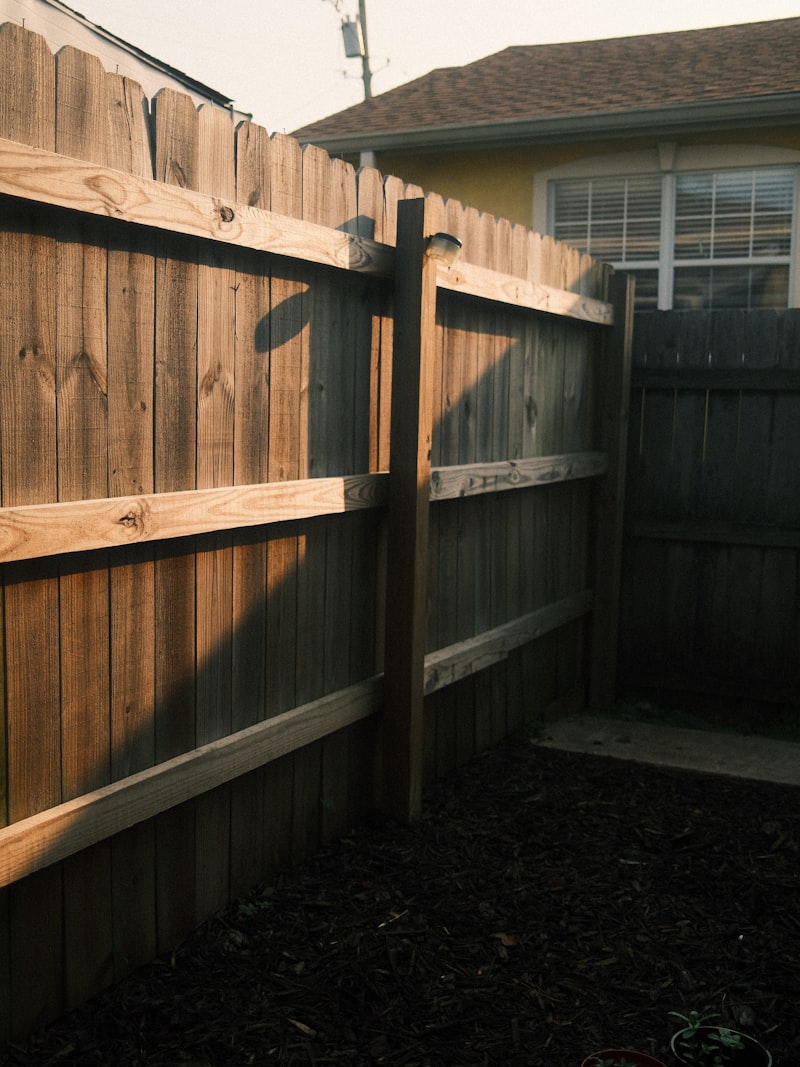
Installing a fence is the perfect way to secure your children and pets, define property boundaries, and create a private backyard oasis. However, pricing out a fence is highly dependent on materials and digging conditions. Our fence cost calculator estimates wood cedar, pressure-treated pine, vinyl, and ornamental metal fencing based on linear footage and local labor rates across North America.
Interactive Project Calculator
Customize dimensions, region multipliers, and localized specifications to estimate range-based costs.
Valid dimension spectrum: 10 to 1000 linear ft
Three-Tier Quality Specification Costs
Select to recalculateNeed detailed project blueprints and timelines?
Compile a comprehensive localized budget PDF containing checklists and task outlines.
⚠️ Disclaimer: This is an estimate for planning purposes only, not a contractor quote. Actual fence costs depend on underground utilities, rocky soil digging, slopes requiring stair-stepping, and survey fees.
Understanding the Cost to Build a Fence
When analyzing a fence quote, materials account for roughly 60% of the total budget, while skilled labor and post hole digging make up the remaining 40%. The single most important step in building a long-lasting fence is setting the posts. Posts must be sunk below your local frost line and anchored in solid concrete wet-mix. In colder climates across Canada and the northern US, posts must sit at least 3 to 4 feet deep to prevent winter frost-heaving.
| Fence Material Style | Linear Foot Material Cost | Linear Foot Labor Cost | Typical Privacy Level |
|---|---|---|---|
| Pressure-Treated Pine | $10 - $18 / ft | $8 - $14 / ft | High (Solid dog-ear panels) |
| Western Red Cedar | $18 - $28 / ft | $10 - $16 / ft | High (Premium solid board-on-board) |
| Premium Vinyl Panels | $25 - $40 / ft | $12 - $18 / ft | High (100% maintenance-free sheets) |
| Ornamental Steel / Iron | $30 - $55 / ft | $15 - $22 / ft | Low (Classic open picket style) |
Evaluating Wood Fence Cost Per Foot Options
Pressure-treated pine is highly economical and chemically treated to resist rotting and termites. However, it is prone to warping, shrinking, and cracking as it dries under the sun. Western Red Cedar is naturally rot-resistant, smells amazing, and stays incredibly straight, making it the gold standard for residential privacy fences. Vinyl is expensive upfront but never requires painting, sealing, or sanding, easily saving you money in the long run.
- Gate Additions: Standard walk-through gates typically add $150 to $300 each, while wide double-driveway gates add $500 to $1,200 to your fence project.
- Property Lines: Always hire a licensed land surveyor to verify your property lines before building a fence. Knocking down a newly built fence because it sits 2 inches inside your neighbor's yard is a devastating and expensive mistake.
Chain Link and Ornamental Metal: The Options Beyond Wood and Vinyl
Chain link remains the cheapest fencing option by a wide margin and is nearly maintenance-free, though it offers no privacy and reads as more utilitarian than residential in most front-yard settings. Ornamental aluminum and wrought iron sit at the opposite end, offering a decorative, open sightline fence popular for pool enclosures and front yards where you want a boundary without blocking the view, at a price point closer to premium vinyl.
How Corner and End Posts Change the Cost Per Foot Math
A basic per-linear-foot fence estimate assumes a simple straight run, but corner posts, end posts, and gate posts all require larger diameter posts and extra concrete compared to a standard line post, since they bear more structural load from the fence pulling against them. A fence with many corners or a complex property line shape will run higher than the same total footage in one straight line.
Frequently Asked Questions
How deep should residential fence posts be set?
In mild climates, set fence posts at least 24 to 30 inches deep. In colder northern climates, posts must be set 36 to 48 inches deep (deeper than the regional winter frost line) to prevent the ground from pushing the posts upward.
Should I seal my new wood cedar fence immediately?
No. Fresh Western Red Cedar and pressure-treated wood contain high moisture levels. Allow the wood to dry out under the sun for 4 to 8 weeks before applying a high-quality oil-based semi-transparent stain.
How much does a fence gate typically add to the total cost?
A standard walk-through gate adds $150 to $300, while a wide double-drive gate for vehicle access can add $500 to $1,200, depending on material and whether it needs a self-closing hinge or automatic opener.
Do I need my neighbor's permission to build a fence on the property line?
Requirements vary by municipality, but building directly on a shared property line often legally requires the neighbor's agreement or a shared-cost arrangement. Setting the fence a few inches onto your own side avoids the issue entirely in most cases.
Which side of the fence should face my neighbor's yard?
Common courtesy, and some local ordinances, call for the finished side (the smooth face without visible rails and posts) to face outward toward the street or a neighboring yard, with the structural framing facing your own property.
Does a fence need a permit in most areas?
Many municipalities require a permit for fences above a certain height, commonly 6 feet, or fences near a street-facing property line, though smaller backyard fences sometimes fall under simplified rules that skip the permit step entirely. Checking with the local building department before starting avoids a costly teardown later.
Related Remodeling Calculators
Interactive Concrete Slab & Pouring Cost Calculator
See the cost to pour a concrete slab or pad. Our concrete calculator covers patios, shed bases, and driveway pours across the US and Canada.
EstimatorDriveway Cost Calculator & Material Guide
Estimate asphalt driveway cost per square foot or concrete driveway cost. Try our driveway cost calculator for excavation, gravel base, and finishing.
EstimatorDeck Building Cost Calculator & Guide
Estimate cost to build a deck with our deck cost calculator. Compare pressure-treated lumber and high-durability composite decking cost.
In this Category
Fence Wind Shear Resistance
"Solid privacy wood or vinyl fences operate as massive sails. Concrete footings poured to 36 inches deep withstand severe wind shear forces that rot or tilt shallow posts."
Planning to Finance This Project?
Model what a renovation loan would cost per month across different amounts, terms, and credit profiles, and read how HELOCs, home equity loans, and personal loans actually differ before you approach a lender.
Model Monthly Payments →US and Canada Pricing
Pricing rates represent consolidated metrics across US Midwest/South, US East/West Coasts, and major Canadian Metropolitan districts.