Driveway Cost Calculator & Material Guide
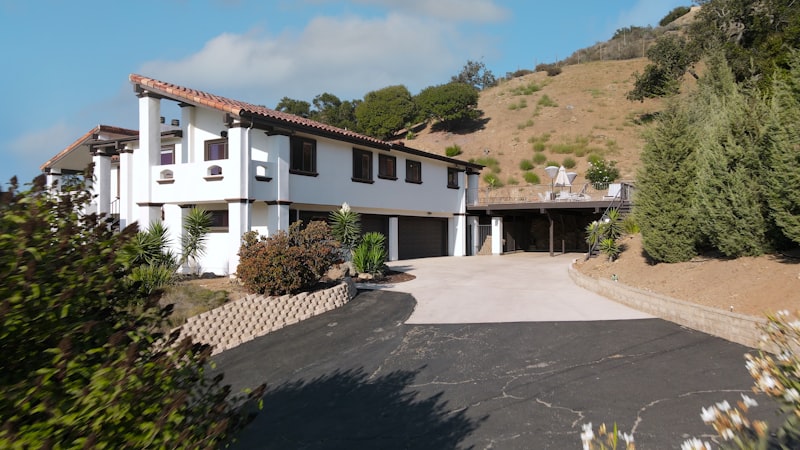
A clean, durable driveway boosts your home's exterior appeal and provides safe, mud-free parking. You might be paving a short suburban entrance with hot-mix asphalt or pouring an elegant stamped-concrete approach. Either way, our driveway cost calculator outlines soil excavation, gravel road-base compaction, material fees, and local labor rates across the US and Canada.
Interactive Project Calculator
Customize dimensions, region multipliers, and localized specifications to estimate range-based costs.
Valid dimension spectrum: 100 to 10000 sq ft
Three-Tier Quality Specification Costs
Select to recalculateNeed detailed project blueprints and timelines?
Compile a comprehensive localized budget PDF containing checklists and task outlines.
⚠️ Disclaimer: This is an estimate for planning purposes only, not a contractor quote. Actual driveway costs depend on old asphalt removal, heavy equipment access, soil conditions, and concrete pump truck fees.
Comparing Concrete vs. Asphalt Driveway Cost Per Square Foot
When selecting a driveway material, you must balance initial installation costs against long-term durability and maintenance. Asphalt is significantly cheaper to install but requires seal-coating every 3 to 5 years. Concrete is more expensive upfront but easily lasts 30 to 40 years with minimal maintenance. In freezing northern climates, asphalt handles winter freeze-thaw cycles better because it is flexible, while concrete can crack if the soil shifts.
| Driveway Material | Avg Material Cost | Avg Labor Cost | Expected Lifespan |
|---|---|---|---|
| Crushed Stone / Gravel | $1.00 - $2.50 / sq ft | $1.50 - $3.00 / sq ft | 5 - 10 Years (Requires grading) |
| Hot-Mix Asphalt (Blacktop) | $3.00 - $5.50 / sq ft | $2.50 - $4.50 / sq ft | 15 - 25 Years (Requires sealing) |
| Poured Portland Concrete | $6.00 - $10.00 / sq ft | $4.00 - $8.00 / sq ft | 30 - 40 Years (Extremely durable) |
Why Driveway Durability Depends on the Underlayment Base
A driveway is only as strong as the soil and gravel base underneath it. If a contractor lays hot asphalt or wet concrete directly over soft topsoil without excavating, the weight of your car will quickly push the surface downward, creating deep ruts and cracks. A professional driveway installation requires excavating 6 to 8 inches of soil and compacting a 4-to-6-inch sub-base of crushed aggregate rock.
- Asphalt Cooling: Asphalt is laid hot (around 300°F) and must be rolled and compacted before it cools below 185°F. Because of this, asphalt paving requires specialized heavy steamroller crews.
- Oil Staining: Asphalt is made of petroleum binders and can be softened by dripping oil or gasoline, whereas concrete resists oil stains but can be damaged by winter de-icing salts.
Sealcoating: The Maintenance Step Asphalt Owners Skip
Fresh asphalt needs 6 to 12 months to fully cure before its first sealcoat, giving the oils time to harden. After that, resealing every 2 to 3 years keeps water and UV rays from breaking down the binder. Skipping sealcoating doesn't cause instant failure, but it does shave years off a driveway that would otherwise easily reach the top of its expected lifespan.
Drainage Slope Matters More Than People Realize
A driveway that's perfectly flat, or worse, sloped toward the garage, will pool water at the low point every time it rains, and standing water is what actually destroys both asphalt and concrete over time, not the material itself. A proper installation slopes the surface slightly away from structures, typically a 1% to 2% grade, so water sheds off the edges instead of collecting and working into cracks or expansion joints.
Frequently Asked Questions
How long should I wait before driving on a new asphalt driveway?
You can walk on new hot-mix asphalt within 24 hours, but you should wait at least 3 to 5 full days before parking cars on it. In hot summer weather, asphalt remains soft for several weeks, so avoid turning your steering wheel while your vehicle is parked to prevent tire-scuff marks.
Why does concrete cost more than asphalt in Canada?
Concrete requires a highly labor-intensive process of setting wooden forms, laying steel rebar mesh, pouring, floating, and cutting joints. In Canadian winters, concrete is also susceptible to freeze-thaw cracking if not formulated with proper air-entraining chemical agents.
How often should an asphalt driveway be resealed?
Every 2 to 3 years for most climates, sooner in regions with harsh winters and heavy salt use, since sealcoat is what protects the binder from UV and moisture damage between applications.
Can I pour a new driveway myself to save money?
Grading and base compaction are the two steps most likely to go wrong without experience, and mistakes there undermine the whole driveway regardless of the surface material. Most homeowners hire out at least the base prep even if they consider DIY for other parts of the project.
Does a permit matter for driveway replacement?
Many municipalities require a permit specifically for the section of driveway crossing the public right-of-way near the street, even if the rest of the driveway on private property doesn't need one, so checking local rules with the building department before starting work avoids a costly redo.
What causes a concrete driveway to crack, and can it be prevented?
Most cracking traces back to inadequate base compaction, missing control joints that let the slab crack in a controlled, less visible line, or soil movement beneath the slab. Properly spaced control joints, adequate rebar or wire mesh reinforcement, and a well-compacted base are the main preventive measures a good contractor should already be building in from the start.
Related Remodeling Calculators
Interactive Concrete Slab & Pouring Cost Calculator
See the cost to pour a concrete slab or pad. Our concrete calculator covers patios, shed bases, and driveway pours across the US and Canada.
EstimatorInteractive Fence Cost Calculator & Guide
Calculate the cost to build a fence including post hole digging. Our wood fence cost per foot calculator estimates cedar, vinyl, and metal.
EstimatorDeck Building Cost Calculator & Guide
Estimate cost to build a deck with our deck cost calculator. Compare pressure-treated lumber and high-durability composite decking cost.
In this Category
Driveway Sinking & Life Comparisons
"Poured concrete driveways possess a 35 to 50-year structural lifespan. Asphalt blacktop is cheaper up front but requires sealcoating every 3 years and fails within 20 years."
Planning to Finance This Project?
Model what a renovation loan would cost per month across different amounts, terms, and credit profiles, and read how HELOCs, home equity loans, and personal loans actually differ before you approach a lender.
Model Monthly Payments →US and Canada Pricing
Pricing rates represent consolidated metrics across US Midwest/South, US East/West Coasts, and major Canadian Metropolitan districts.