Interactive Solar Panel Installation Cost Calculator
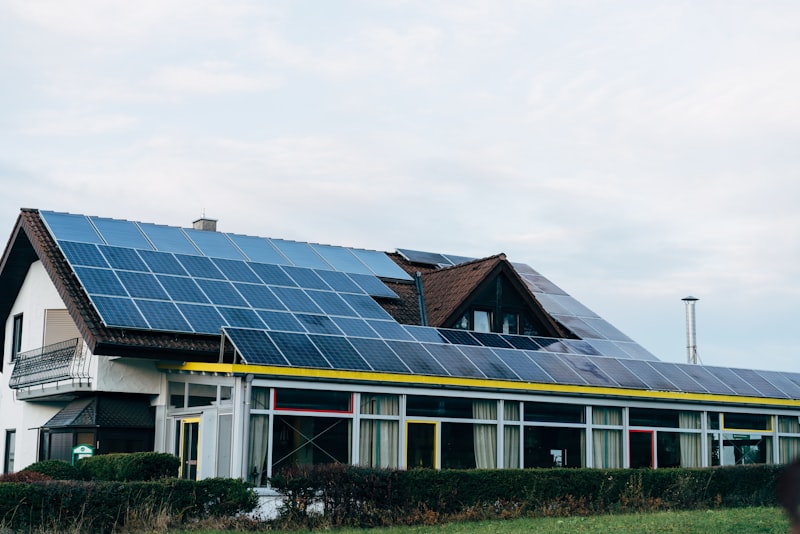
Switching to solar energy is a powerful way to eliminate monthly utility bills, lock in predictable energy costs, and decrease your carbon footprint. However, navigating the cost of solar panels can be complex due to system sizing, inverter types, local permits, and tax incentives. Our interactive solar panel installation cost calculator provides realistic net and gross project estimates across the US and Canada.
Interactive Project Calculator
Customize dimensions, region multipliers, and localized specifications to estimate range-based costs.
Valid dimension spectrum: 3 to 30 kW system
Three-Tier Quality Specification Costs
Select to recalculateNeed detailed project blueprints and timelines?
Compile a comprehensive localized budget PDF containing checklists and task outlines.
⚠️ Disclaimer: This is an estimate for planning purposes only, not a contractor quote. Actual solar installation costs vary based on roof pitch, electrical panel upgrade requirements, regional utility net-metering policies, and shading profiles.
Understanding the Cost of Solar Panels and Financing Options
The upfront cost of a solar energy system is primarily determined by its capacity in Kilowatts (kW), panel efficiency, and inverter technology. A typical residential system ranges from 6 kW to 12 kW. While a complete system may cost between $18,000 and $35,000 before incentives, federal programs like the US Residential Clean Energy Credit offer a 30% tax credit, significantly reducing the net investment. Homeowners should evaluate their options carefully, and our renovation financing guide explains how the borrowing options commonly used for solar installations differ from one another.
| System Size (kW) | Avg. Gross Installed Cost | Federal Tax Credit (30%) | Avg. Net Cost after Credit |
|---|---|---|---|
| 6 kW (Small Home) | $16,200 - $21,000 | -$5,580 | $12,420 - $15,420 |
| 10 kW (Average Home) | $25,000 - $32,000 | -$8,550 | $17,450 - $23,450 |
| 15 kW (Large Home) | $36,000 - $46,500 | -$12,375 | $25,125 - $34,125 |
Inverter Selection: String vs. Microinverters
Inverters are the engines of a solar energy system, converting the raw Direct Current (DC) electricity generated by panels into usable Alternating Current (AC) for your home. Your choice of inverter has a dramatic impact on both system performance and upfront cost. String inverters are highly economical but can cause the entire array's output to drop if a single panel is shaded. Premium microinverters are installed under each individual panel, optimizing power generation even under partial shade. When planning your clean energy conversion, it is also wise to factor in related long-term investments, such as upgrading an aging roof before attaching heavy solar mounting hardware.
- String Inverters: Economical and centralized, but vulnerable to shading issues. If one panel's output is reduced by shade or dirt, the entire string suffers.
- Microinverters: Individual, decentralized inverters that optimize output per panel. They provide advanced panel-level monitoring and a longer lifespan (typically 25 years vs 10-15 years for string inverters).
- Smart Energy Storage: Adding a lithium iron phosphate battery (like a Tesla Powerwall) allows you to store excess daytime energy for night use or emergency blackouts, typically adding $10,000 to $15,000 to the total cost.
Net Metering: Why Your Utility Company Matters as Much as Your Installer
Net metering policy, how much credit you get for excess power your panels send back to the grid, varies dramatically by state, province, and even utility company, and it has a bigger effect on your actual payback period than most installers' sales pitches emphasize. Some utilities credit excess generation at the full retail rate, others at a lower wholesale rate, which meaningfully changes the real-world math behind the same system size and cost.
Frequently Asked Questions
How many solar panels do I need to power my house?
The average residential home requires a system size of 8 kW to 11 kW to offset 100% of its utility usage. This translates to roughly 20 to 28 panels, assuming standard 400-watt panels. The exact number depends on your annual kilowatt-hour consumption, roof orientation, and local sun exposure.
What is the payback period for home solar panels?
Most homeowners achieve full return on investment (ROI) within 6 to 10 years of installation. After this payback period, the electricity generated by your system is 100% free profit. Solar systems easily last 25 to 30 years, giving you decades of locked-in utility savings.
Does my roof need to face South for solar to work?
In the Northern Hemisphere (US and Canada), South-facing roofs receive the most direct sunlight throughout the day, maximizing power output. However, East- and West-facing roofs are still highly viable, typically producing about 15% to 20% less energy than a true South orientation. North-facing roofs are rarely recommended.
Do solar panels damage your roof or void the warranty?
When installed by licensed professionals, solar panels do not damage your roof or void your shingle warranty. In fact, panels protect the shingles underneath them from direct UV radiation and harsh weather. Specialized mounting brackets are bolted directly to your roof's rafters and sealed with metal flashing to ensure a 100% watertight seal.
What happens to solar panels during a power outage?
Standard grid-tied solar systems without a battery automatically shut off during a power outage for safety, to avoid feeding electricity back into lines utility workers may be repairing. A battery storage system, or a specific 'islanding' inverter setup, is required for panels to keep providing power when the grid is down.
How long does a typical solar installation take from signing to activation?
Physical installation usually takes just 1 to 3 days, but permitting, utility interconnection approval, and inspection can stretch the total timeline to 6 to 12 weeks depending on the local utility and jurisdiction.
Related Remodeling Calculators
Interactive Concrete Slab & Pouring Cost Calculator
See the cost to pour a concrete slab or pad. Our concrete calculator covers patios, shed bases, and driveway pours across the US and Canada.
EstimatorDriveway Cost Calculator & Material Guide
Estimate asphalt driveway cost per square foot or concrete driveway cost. Try our driveway cost calculator for excavation, gravel base, and finishing.
EstimatorInteractive Fence Cost Calculator & Guide
Calculate the cost to build a fence including post hole digging. Our wood fence cost per foot calculator estimates cedar, vinyl, and metal.
In this Category
Planning to Finance This Project?
Model what a renovation loan would cost per month across different amounts, terms, and credit profiles, and read how HELOCs, home equity loans, and personal loans actually differ before you approach a lender.
Model Monthly Payments →US and Canada Pricing
Pricing rates represent consolidated metrics across US Midwest/South, US East/West Coasts, and major Canadian Metropolitan districts.