Inground Pool Cost Calculator
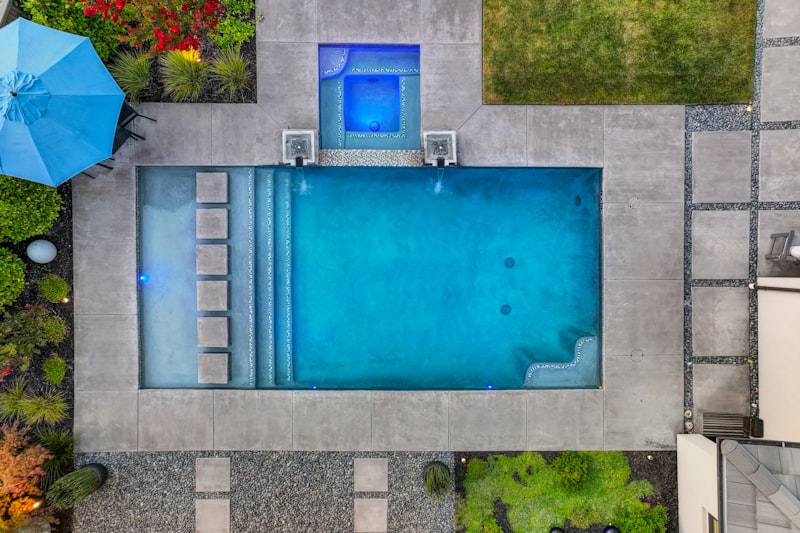
Building an inground pool is the ultimate backyard luxury, transforming your outdoor space into a resort-style playground. Because pool construction is a massive heavy-engineering project involving extensive excavation, steel reinforcement, plumbing grids, and utility hookups, accurate budgeting is critical. Our interactive pool cost calculator estimates complete materials, filtration systems, decking, and professional installation labor.
Interactive Project Calculator
Customize dimensions, region multipliers, and localized specifications to estimate range-based costs.
Valid dimension spectrum: 200 to 1500 sq ft
Three-Tier Quality Specification Costs
Select to recalculateNeed detailed project blueprints and timelines?
Compile a comprehensive localized budget PDF containing checklists and task outlines.
⚠️ Disclaimer: This is an estimate for planning purposes. Installing safety fencing, electric safety covers, water-slide slides, custom retaining walls, or tree clearing are not included in these baseline rates.
Understanding the Cost to Build an Inground Pool
Inground pool pricing is primarily dictated by the structural material: vinyl liners, fiberglass shells, or custom gunite concrete. Vinyl liners are the most economical option but must be replaced every 8 to 12 years. Fiberglass pools are extremely low-maintenance, smooth, and installed in under a week. Custom concrete (gunite) pools are highly durable and completely customizable but are expensive and take 2 to 3 months to build.
| Pool Material Category | Construction Method & Prep | Average Cost (per sq ft) | Construction Time |
|---|---|---|---|
| Vinyl Liner Pool | Steel/polymer frame wall panels, custom vinyl liner insert | $40 - $55 | 2 - 3 Weeks (Economic initial cost) |
| Fiberglass Shell Pool | One-piece factory shell leveled in pea gravel base | $60 - $75 | 1 - 2 Weeks (Extremely low-maintenance) |
| Concrete / Gunite Pool | Steel rebar cage, sprayed gunite concrete, plaster finish | $90 - $130 | 8 - 12 Weeks (Ultimate luxury & durability) |
The Essential Accessories: Filtration and Decks
A pool is only as good as its filtration system. While traditional chlorine pumps are cheap, modern homeowners prefer high-efficiency cartridge filters paired with smart salt-chlorine generators, which sanitize water naturally without red-eye irritation. You also need to budget for a concrete or stone paver 'coping deck' surrounding the pool (typically a 4-foot wide perimeter), which is required for safety, lounging, and keeping dirt out of your water.
- Soil Excavation Risks: If your backyard contains large underground boulders, a high water table, or shifting clay, heavy rock excavation or hydraulic dewatering will add $3,000 to $12,000 to excavation fees.
- Safety Fencing Codes: Building codes require all private inground pools to be surrounded by a self-closing, self-latching security fence at least 4 to 5 feet high to prevent tragic child drownings.
Ongoing Costs Nobody Mentions During the Sales Pitch
The installation quote is just the beginning. Budget realistically for chemicals, electricity to run pumps and heaters, opening and closing service in climates with a swim season, and periodic equipment repairs, easily $1,500 to $4,000 a year depending on pool size and climate. Homeowners who only budget the upfront construction cost are frequently surprised by how much a pool costs to simply keep running.
Saltwater Systems Aren't Chemical-Free, They Just Shift the Chemistry
A salt-chlorine generator produces chlorine on-site from dissolved salt, which is gentler on skin and eyes than traditional chlorine tablets and reduces the hassle of handling chemicals directly, but it doesn't eliminate water chemistry maintenance entirely. Salt cells need periodic cleaning and eventual replacement, typically every 3 to 7 years, and pool water still needs regular pH and alkalinity balancing regardless of the sanitizing method.
Frequently Asked Questions
Does an inground pool add resale value to a home?
In warm US states like Florida, Arizona, or California, a well-built pool adds significant equity, typically returning 50% to 70% of its installation cost on resale. In cooler northern states and Canada, a pool may only return 15% to 30% of its value and can actually deter some home buyers who fear winter maintenance.
What is the average size of a residential inground pool?
The most common size for a residential inground pool is 15 feet by 30 feet (450 square feet) or 16 feet by 32 feet (512 square feet), accommodating a shallow end for wading and a deep end of up to 6 to 8 feet.
How much does it cost to maintain a pool per year?
Budget $1,500 to $4,000 annually for chemicals, electricity, seasonal opening and closing, and routine equipment upkeep, with the higher end reflecting larger pools, heaters run more often, or a full-service maintenance contract rather than DIY upkeep.
Do I need a permit to build an inground pool?
Yes, in virtually every US and Canadian jurisdiction, along with safety fencing requirements that are typically enforced as part of the same permit and final inspection process.
How long does a fiberglass, vinyl, or gunite pool actually last?
Gunite concrete pools, with periodic replastering every 10 to 15 years, can last several decades structurally. Fiberglass shells typically last 25 to 30 years without major issues. Vinyl liner pools have the shortest lifespan on the liner itself, needing replacement every 8 to 12 years, though the underlying structure can last much longer.
Does homeowners insurance cost more with a pool?
Usually, yes, since pools add liability risk. Insurers commonly require an umbrella liability policy on top of standard homeowners coverage once a pool is added, and premiums typically increase to reflect the added risk.
Is it cheaper to build a pool in fall or winter instead of spring?
In many regions, yes, since pool builders are less busy in the off-season and sometimes offer better scheduling or pricing to start work before the spring rush.
Related Remodeling Calculators
Interactive Concrete Slab & Pouring Cost Calculator
See the cost to pour a concrete slab or pad. Our concrete calculator covers patios, shed bases, and driveway pours across the US and Canada.
EstimatorDriveway Cost Calculator & Material Guide
Estimate asphalt driveway cost per square foot or concrete driveway cost. Try our driveway cost calculator for excavation, gravel base, and finishing.
EstimatorInteractive Fence Cost Calculator & Guide
Calculate the cost to build a fence including post hole digging. Our wood fence cost per foot calculator estimates cedar, vinyl, and metal.
In this Category
Planning to Finance This Project?
Model what a renovation loan would cost per month across different amounts, terms, and credit profiles, and read how HELOCs, home equity loans, and personal loans actually differ before you approach a lender.
Model Monthly Payments →US and Canada Pricing
Pricing rates represent consolidated metrics across US Midwest/South, US East/West Coasts, and major Canadian Metropolitan districts.