Home Generator Installation Cost
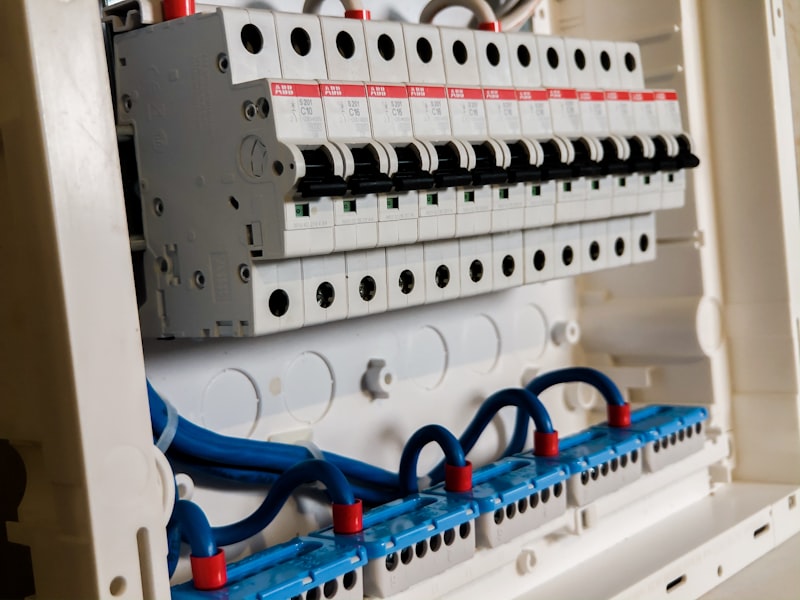
The generator itself is rarely the expensive part. The transfer switch, the fuel line, and the electrical work to connect it safely to your panel usually cost as much as the unit, sometimes more.
Portable Versus Standby: Two Very Different Projects
A portable generator is wheeled out during an outage, fueled with gasoline, and connected to select circuits through extension cords or a manual transfer switch. It's the cheaper option and requires no permanent installation. A standby generator is permanently wired to your electrical panel, fueled by a dedicated natural gas or propane line, and starts automatically within seconds of a power outage. It's a real electrical and gas-line project, not an appliance purchase.
| Generator Type | Power Output | Installed Cost | Startup |
|---|---|---|---|
| Portable with Manual Transfer Switch | 3,000 - 8,500 watts | $1,500 - $4,000 | Manual, requires you to be home |
| Standby, Partial Home Coverage | 10 - 16 kW | $6,000 - $11,000 | Automatic, within seconds |
| Standby, Whole-Home Coverage | 20 - 26 kW+ | $11,000 - $18,000+ | Automatic, within seconds |
What the Transfer Switch Actually Does, and Why You Need One
A transfer switch electrically isolates your home from the utility grid before the generator powers it, which is what keeps your generator from back-feeding electricity into the grid and electrocuting a utility lineman working on a downed line during the outage. This isn't a corner worth cutting. Most jurisdictions require a licensed electrician to install it, and running a generator without one, using improvised extension cord setups, is a genuine safety hazard.
- Standby generators need an annual service, similar to a furnace, including an oil change and a load test, to make sure they'll actually start when the power goes out.
- Sizing a standby unit too small means it'll shed circuits (like the AC) automatically during heavy load. Sizing it correctly for your actual panel usually requires an electrician's load calculation, not a guess based on square footage alone.
Natural Gas Versus Propane as the Fuel Source
Natural gas standby generators tap directly into an existing gas utility line, meaning fuel supply is essentially unlimited as long as the gas service stays on, which is a real advantage during an extended outage. Propane requires an on-site tank, either an existing tank shared with other appliances or a new dedicated one, and running time is capped by tank capacity, though propane remains a solid option for homes without natural gas service available. Homes without natural gas access typically need to budget for a propane tank purchase or lease as part of the total project cost, on top of the generator and installation itself.
Placement Rules and Noise Considerations
Most manufacturers and local codes require standby generators to sit a minimum distance, often 18 to 60 inches depending on the model, from windows, doors, and combustible walls, both for ventilation and to keep exhaust away from living spaces. Standby units also run at a noticeable noise level during operation and during the brief weekly self-test cycle most owners program, so placement relative to bedroom windows and neighboring property lines is worth considering during planning, not after the concrete pad is already poured.
Frequently Asked Questions
Can I install a standby generator myself to save money?
The generator pad and unit placement can often be DIY, but the electrical transfer switch connection and gas line work legally require a licensed electrician and, in most areas, a licensed gas fitter. Skipping licensed installation can void the generator's warranty and create a real safety hazard.
How long can a standby generator run continuously?
Natural gas standby units connected to your home's gas line can run indefinitely, limited only by maintenance intervals. Propane units are limited by tank size, and portable gasoline generators typically need refueling every 8 to 12 hours.
How loud is a standby generator when it runs?
Most residential standby units run around 60 to 70 decibels at a distance, roughly comparable to a running dishwasher or central air conditioner, though placement relative to windows and neighboring properties affects how noticeable it is.
Does a standby generator add value when selling a home?
In regions with frequent outages, yes, a properly installed whole-home standby generator is often viewed as a meaningful selling point by buyers, though the exact resale value it adds varies significantly by local climate and outage history.
What maintenance does a standby generator need every year?
An annual service typically includes an oil and filter change, a battery check, an air filter inspection, and a load test to confirm the unit actually starts and carries the expected load. Many owners set up a service contract with their installer to handle this automatically.
Can a standby generator power central air conditioning?
Yes, but it needs to be sized for it specifically, since central AC has a high startup surge that undersized generators can't handle. A properly done load calculation accounts for the AC's starting current, not just its running wattage, when determining generator size.
Related Remodeling Calculators
Interactive Concrete Slab & Pouring Cost Calculator
See the cost to pour a concrete slab or pad. Our concrete calculator covers patios, shed bases, and driveway pours across the US and Canada.
EstimatorDriveway Cost Calculator & Material Guide
Estimate asphalt driveway cost per square foot or concrete driveway cost. Try our driveway cost calculator for excavation, gravel base, and finishing.
EstimatorInteractive Fence Cost Calculator & Guide
Calculate the cost to build a fence including post hole digging. Our wood fence cost per foot calculator estimates cedar, vinyl, and metal.
In this Category
Planning to Finance This Project?
Model what a renovation loan would cost per month across different amounts, terms, and credit profiles, and read how HELOCs, home equity loans, and personal loans actually differ before you approach a lender.
Model Monthly Payments →US and Canada Pricing
Pricing rates represent consolidated metrics across US Midwest/South, US East/West Coasts, and major Canadian Metropolitan districts.