Clay Tile Roof Cost Calculator
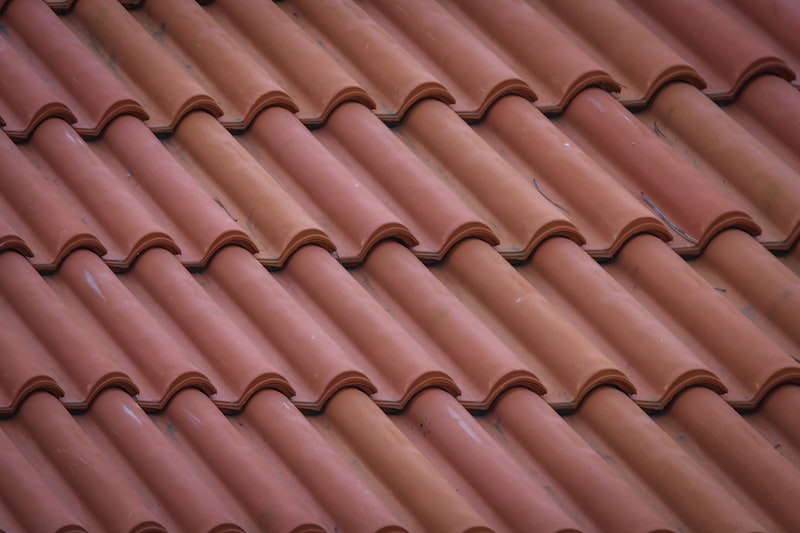
A clay tile roof can genuinely outlast the house it's on. It can also outweigh what an average roof frame was ever designed to hold, which is the detail that catches people off guard mid-quote.
Interactive Project Calculator
Customize dimensions, region multipliers, and localized specifications to estimate range-based costs.
Valid dimension spectrum: 200 to 8000 sq ft
Three-Tier Quality Specification Costs
Select to recalculateNeed detailed project blueprints and timelines?
Compile a comprehensive localized budget PDF containing checklists and task outlines.
⚠️ Disclaimer: This is an estimate for planning purposes only, not a contractor quote. Structural reinforcement, complex roof pitches, and hand-cut custom tile detailing will significantly increase total project cost.
Tile Profiles and Where the Price Goes
S-tile, the curved, Spanish-style profile, is the most recognizable and widely available clay tile option. Flat clay shingle tile gives a more understated look closer to slate. Both are fired clay, extremely durable against sun and hail, and both cost considerably more than asphalt shingles because of the material itself and the specialized labor required to install and walk on tile without cracking it.
| Clay Tile Type | Profile | Installed Cost | Best For |
|---|---|---|---|
| Standard S-Tile / Mission | Curved barrel profile | $12.00 - $18.00 / sq ft | Spanish and Mediterranean-style homes |
| Flat Clay Shingle Tile | Flat, overlapping profile | $14.00 - $20.00 / sq ft | Understated look, slate-adjacent aesthetic |
| Custom Hand-Glazed/Imported | Curved or flat, specialty finish | $18.00 - $28.00+ / sq ft | Historic restoration, architectural statement roofs |
The Structural Question That Comes Before the Style Question
Clay tile weighs roughly 850 to 1,100 pounds per square (100 square feet), compared to about 250 to 350 pounds for asphalt shingles. Most homes built with asphalt shingles in mind were never framed to carry that load, so replacing an asphalt roof with clay tile almost always requires a structural engineer to assess whether the existing rafters and trusses need reinforcement before a single tile goes up. Skipping that step is how roofs sag.
- Walking on a clay tile roof incorrectly cracks tiles easily, which is why re-roofing and even routine maintenance on clay tile costs more in labor than comparable work on asphalt or metal.
- Individual cracked tiles can usually be replaced without redoing the whole roof, since tile roofing is installed in overlapping, removable courses rather than one continuous sealed membrane.
Clay Versus Concrete Tile
Concrete roof tile mimics the look of clay at a lower material cost, typically $8 to $14 per square foot installed, but it's noticeably heavier than clay and its color, which is usually a surface coating rather than fired through the material, can fade over decades in strong sun. Clay tile's color is fired into the material itself, so it doesn't fade the way a painted concrete tile can, which is a major reason clay commands a price premium in regions with intense year-round sun exposure. Concrete remains a reasonable choice where budget matters more than centuries-long color retention.
Underlayment Is Doing More Work Than the Tiles
The waterproof underlayment beneath clay tile is what actually keeps water out of the house; the tiles themselves are mainly a durable, decorative shield that also handles most of the wear from sun and impact. Because tile lasts so much longer than typical underlayment, many clay tile roofs go through one or two underlayment replacements during the tile's lifespan, a process that involves carefully removing and resetting the existing tiles rather than buying new ones. Budgeting for this eventual underlayment work, decades out, is easy to overlook when comparing sticker prices against a shorter-lived roofing material.
Frequently Asked Questions
Does a clay tile roof always need structural reinforcement?
Not always, but it's common enough that a structural assessment should be treated as a required step, not an optional one. Homes originally built for tile or slate often already have adequate framing, while homes built for asphalt frequently need reinforcement.
How long does a clay tile roof actually last?
50 to 100 years is typical for the tile itself, and clay tile roofs on historic buildings have lasted well over a century. The underlayment beneath the tiles usually needs replacement every 20 to 30 years, well before the tiles themselves fail.
Is clay tile a good choice in cold, freeze-thaw climates?
It performs best in warm, dry, or mild climates. In areas with frequent freeze-thaw cycles, water that gets absorbed into the tile can freeze and crack it, so many roofers recommend concrete tile or another material for consistently cold northern regions.
Does clay tile roofing require special installers?
Yes, tile roofing takes different skills than asphalt shingle work, particularly around walking the roof without cracking tiles and correctly detailing the underlayment and flashing at valleys and penetrations. Hiring a roofer with specific tile experience, not just general roofing experience, matters more here than with most other roofing materials.
Can broken clay roof tiles be matched years later?
Matching older or discontinued tile profiles can be difficult, and homeowners sometimes need to source salvaged tile from architectural reclamation yards or keep a small stock of spare tiles from the original installation for future repairs.
Is clay tile roofing fire resistant?
Yes, fired clay is naturally non-combustible and carries the highest fire rating available for residential roofing, which is a meaningful advantage in wildfire-prone regions and can sometimes qualify a home for a homeowners insurance discount.
Related Remodeling Calculators
Interactive Concrete Slab & Pouring Cost Calculator
See the cost to pour a concrete slab or pad. Our concrete calculator covers patios, shed bases, and driveway pours across the US and Canada.
EstimatorDriveway Cost Calculator & Material Guide
Estimate asphalt driveway cost per square foot or concrete driveway cost. Try our driveway cost calculator for excavation, gravel base, and finishing.
EstimatorInteractive Fence Cost Calculator & Guide
Calculate the cost to build a fence including post hole digging. Our wood fence cost per foot calculator estimates cedar, vinyl, and metal.
In this Category
Planning to Finance This Project?
Model what a renovation loan would cost per month across different amounts, terms, and credit profiles, and read how HELOCs, home equity loans, and personal loans actually differ before you approach a lender.
Model Monthly Payments →US and Canada Pricing
Pricing rates represent consolidated metrics across US Midwest/South, US East/West Coasts, and major Canadian Metropolitan districts.