Tree Removal Cost Calculator
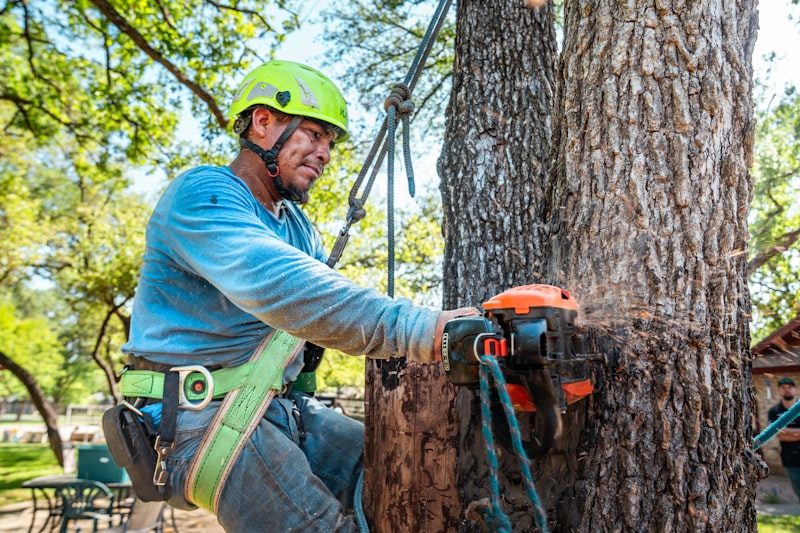
Removing a dead, dying, or hazardous tree protects your home's roof, foundation, and utility lines from devastating storm damage. Tree work is one of the most high-risk trades in the home improvement industry, requiring specialized safety rigging, commercial wood chippers, and high-liability insurance, so accurate planning is crucial. Our interactive tree removal cost calculator estimates pricing based on tree height, yard access, and stump grinding requirements.
Interactive Project Calculator
Customize dimensions, region multipliers, and localized specifications to estimate range-based costs.
Valid dimension spectrum: 10 to 120 ft of height
Three-Tier Quality Specification Costs
Select to recalculateNeed detailed project blueprints and timelines?
Compile a comprehensive localized budget PDF containing checklists and task outlines.
⚠️ Disclaimer: This is an estimate for planning purposes only. Tree removals requiring structural crane rentals, utility electrical shutdowns, or difficult hand-haul distances to the wood chipper will increase arborist rates.
Understanding the Cost to Cut Down a Tree
Tree removal pricing is primarily driven by tree height, trunk diameter, and limb complexity. Small trees under 30 feet can be dropped cleanly in a single cut if yard space permits, whereas massive 80-foot pines near power lines require an arborist to climb the tree, rope off individual limbs, and lower them slowly with complex rigging pulleys.
| Tree Height Class | Removal Method & Safety Rigging | Average Cost (per foot of height) | Best Suited For |
|---|---|---|---|
| Small Tree (Under 30 ft) | Straight fall cut or simple branch pruning, basic yard access | $10 - $14 | Young trees, ornamental maples, open backyards |
| Medium Tree (30 - 60 ft) | Climbing dismantling, roped limb lowering, stump grind included | $16 - $20 | Mature backyard pines, birch, oak trees near property lines |
| Large / Complex (Over 60 ft) | Crane-assisted dismantling, high-hazard rigging, tight access | $25 - $32 | Massive historic oaks, dead trees leaning over roofs or power lines |
Stump Grinding and Wood Chipping Logistics
When a tree is cut down, the arborist will leave a raw wood stump standing roughly 4 inches off the ground. Stump removal is always charged as a separate service. Professionals use commercial walk-behind hydraulic machines with high-speed carbon-tipped cutting wheels that grind the wood stump and structural roots down to 6 to 12 inches below soil level, transforming the wood into clean sawdust mulch.
- Emergency Surcharges: Removing trees that have already fallen onto structures after a severe hurricane or blizzard triggers emergency rates, typically adding a 50% to 150% premium due to immediate arborist risk.
- Power Line Setbacks: Trees growing within 10 feet of high-voltage municipal power lines can only be pruned or removed by specialized utility-certified arborists, which is typically managed directly by your local power company.
When a Tree Needs to Come Down vs. Can Be Saved
Not every damaged or leaning tree needs full removal. A certified arborist can often identify whether a tree with some dead branches, minor storm damage, or disease is still structurally salvageable through pruning and cabling, versus one that's a genuine hazard requiring full removal. Getting an arborist's assessment before assuming removal is necessary can save the cost of taking down a tree that had years of healthy life left.
What Happens to the Wood After Removal
Most tree removal quotes include hauling the chipped branches and smaller wood away, but large trunk sections are sometimes left on-site by default unless you specifically request full haul-away, since large rounds are heavy and some homeowners want the wood for firewood. Confirm exactly what's included before the crew arrives, since a mountain of unsplit log rounds left in the yard is a common source of post-job frustration.
Frequently Asked Questions
Do I need a permit to cut down a tree on my property?
In many suburban cities and dense metro areas (like Portland, Toronto, or Atlanta), municipal 'Tree Protection Ordinances' forbid cutting down native trees exceeding a specific trunk diameter (typically 6 to 12 inches) without an arborist report, site plan review, and a paid permit.
Does homeowner's insurance cover tree removal?
Only if the tree fell due to a covered windstorm and landed directly on a covered structure like your house, garage, or fence. In these cases, insurance pays up to $500 to $1,000 for removal. Insurance will not pay to remove healthy trees, or dead trees that fall onto open grass without causing property damage.
How much does stump grinding cost separately from tree removal?
Stump grinding typically runs $75 to $400 per stump depending on trunk diameter, often priced per inch of stump diameter at the ground. Some companies bundle it into the removal price; others quote it as a distinct line item, so confirm which applies to your quote.
Is it cheaper to remove multiple trees at once?
Often yes, since the crew and heavy equipment mobilization cost is spread across more trees in one visit. If you have several trees that need attention, bundling the work into one appointment is worth asking about.
What time of year is cheapest for tree removal?
Late fall and winter tend to have lower demand and pricing in most regions, since spring storm cleanup and summer landscaping season keep arborists busiest and often booked weeks out.
Should I get more than one quote for tree removal?
Yes, pricing and safety practices vary meaningfully between companies, and getting two or three quotes helps confirm a fair price while also giving a chance to verify each company carries proper liability insurance and workers' compensation before hiring.
Related Remodeling Calculators
Interactive Concrete Slab & Pouring Cost Calculator
See the cost to pour a concrete slab or pad. Our concrete calculator covers patios, shed bases, and driveway pours across the US and Canada.
EstimatorDriveway Cost Calculator & Material Guide
Estimate asphalt driveway cost per square foot or concrete driveway cost. Try our driveway cost calculator for excavation, gravel base, and finishing.
EstimatorInteractive Fence Cost Calculator & Guide
Calculate the cost to build a fence including post hole digging. Our wood fence cost per foot calculator estimates cedar, vinyl, and metal.
In this Category
Planning to Finance This Project?
Model what a renovation loan would cost per month across different amounts, terms, and credit profiles, and read how HELOCs, home equity loans, and personal loans actually differ before you approach a lender.
Model Monthly Payments →US and Canada Pricing
Pricing rates represent consolidated metrics across US Midwest/South, US East/West Coasts, and major Canadian Metropolitan districts.