Interactive Exterior House Painting Cost Calculator
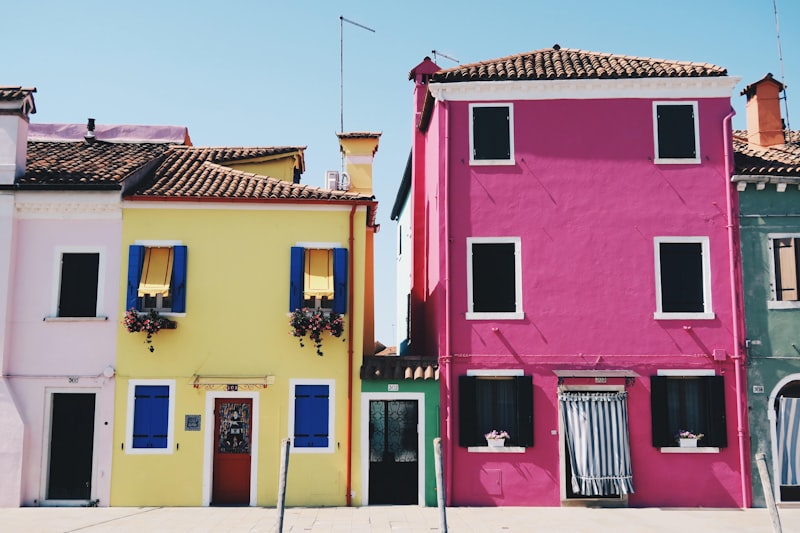
Applying a fresh coat of exterior paint is the ultimate shield protecting your home from rain, sun damage, and temperature swings while instantly elevating its curb appeal. However, estimating the cost to paint a house exterior can feel like a moving target. Our interactive calculator outlines paintable surface areas, professional surface prep labor, paint material tiers, and regional differences across the US and Canada.
Interactive Project Calculator
Customize dimensions, region multipliers, and localized specifications to estimate range-based costs.
Valid dimension spectrum: 500 to 10000 sq ft
Three-Tier Quality Specification Costs
Select to recalculateNeed detailed project blueprints and timelines?
Compile a comprehensive localized budget PDF containing checklists and task outlines.
⚠️ Disclaimer: This is an estimate for planning purposes only, not a contractor quote. Actual exterior house painting costs vary based on trim detail complexity, multi-story height access difficulty, lead paint remediation requirements, and siding repairs.
Evaluating the Total Cost to Paint a House Exterior
The total investment required to repaint a home's exterior depends heavily on the overall size of your home, the number of stories, the type of siding material, and the physical extent of the surface preparation needed. Standard exterior paint jobs cost between $1.50 and $4.00 per square foot of paintable wall surface, with high-end elastomeric coatings reaching up to $6.00 per square foot. Unlike interior projects, exterior painting requires substantial scaffolding, tall extension ladders, and high-pressure washing prep work to ensure a long-lasting bond.
| Home Size (Sq Ft of Living Space) | Approx. Paintable Area (Sq Ft) | Average Total Cost Range | Average Duration |
|---|---|---|---|
| 1,500 Sq Ft (1 Story) | 1,800 Sq Ft | $2,700 - $4,800 | 2 - 3 Days |
| 2,500 Sq Ft (2 Stories) | 3,000 Sq Ft | $4,500 - $8,500 | 4 - 5 Days |
| 3,500 Sq Ft (3 Stories) | 4,500 Sq Ft | $7,000 - $13,500 | 6 - 8 Days |
Critical Prep Work: The Key to Painting Longevity
A beautiful exterior paint job is only as durable as the preparation beneath it. Professional painters spend over 70% of their on-site time scraping away old flaking paint, power-washing mold and mildew, filling cracks, caulking window trims, and applying specialty primer. Skipping these critical preparation steps is a common mistake that causes new paint to bubble, peel, and flake within just 12 to 24 months. When budgeting, homeowners should also review how this ties in with other exterior projects, such as siding repairs, roofing installations, or new gutter setups.
- Pressure Washing: Pre-paint washing removes chalky paint residue, dirt, and mold, ensuring the new acrylic coat bonds tightly to the siding.
- Scraping and Sanding: Loose paint must be completely scraped off. Homes built before 1978 must be tested for lead paint to comply with EPA safety protocols.
- Caulking and Sealing: High-quality elastomeric caulk should be applied to joints around windows, doors, and corner boards to keep moisture from seeping behind siding.
Weather Windows Matter More for Exterior Than Interior Paint
Exterior paint needs a real dry window to cure properly, not just a dry moment to apply it. Most manufacturers specify no rain for at least 4 to 24 hours after application and recommend avoiding direct application in temperatures below 50°F or above 90°F. Painters in regions with unpredictable weather build schedule buffers into a quote specifically to account for delayed starts and rain days.
Frequently Asked Questions
How often should you paint a house exterior?
Most homes need to be repainted every 5 to 10 years. The exact lifespan depends on your siding material (wood siding needs paint every 3-7 years, while fiber cement can go 10-15 years), climate, and the quality of paint used in the previous application.
What is the best temperature for exterior painting?
The ideal temperature range is between 50°F and 90°F (10°C to 32°C). High-quality acrylic latex paint requires moderate temperatures and low humidity to dry and cure properly. Painting in direct, scorching sunlight or in temperatures below 35°F can cause the paint to dry unevenly or fail to bond.
Should I choose flat, satin, or semi-gloss for exterior siding?
Satin or eggshell is the most popular finish for exterior wood, vinyl, and fiber-cement siding because it offers a subtle sheen that reflects UV light, resists staining, and is easy to clean. Flat finishes are best for stucco and brick as they hide surface imperfections. Semi-gloss is strictly reserved for high-wear trim, shutters, and entry doors.
How do I estimate the paintable surface area of my home?
To get a quick estimate of your home's exterior paintable area, calculate the perimeter of your home (length + width of all walls) and multiply it by the height of your siding. Add 10% for gables, and subtract about 20 square feet per window or door.
Does the color I choose affect how long exterior paint lasts?
Yes. Darker colors absorb more UV heat and tend to fade and break down faster than lighter colors on the same wall exposure, which is part of why very dark exterior colors sometimes come with a shorter warranty from paint manufacturers.
How do I know if my siding needs replacing instead of just repainting?
Rotted wood, warped or cracked panels, and siding that won't hold paint even after proper prep are signs the substrate itself has failed and repainting won't fix the underlying problem. A contractor doing prep work should flag this before painting over compromised siding.
Is spray application faster and cheaper than brush and roller?
Spraying covers large areas faster, but most professionals still back-brush or roll immediately after spraying to work the paint into the surface texture properly, so labor savings are smaller than the speed difference alone suggests.
Related Remodeling Calculators
Interactive Concrete Slab & Pouring Cost Calculator
See the cost to pour a concrete slab or pad. Our concrete calculator covers patios, shed bases, and driveway pours across the US and Canada.
EstimatorDriveway Cost Calculator & Material Guide
Estimate asphalt driveway cost per square foot or concrete driveway cost. Try our driveway cost calculator for excavation, gravel base, and finishing.
EstimatorInteractive Fence Cost Calculator & Guide
Calculate the cost to build a fence including post hole digging. Our wood fence cost per foot calculator estimates cedar, vinyl, and metal.
In this Category
Planning to Finance This Project?
Model what a renovation loan would cost per month across different amounts, terms, and credit profiles, and read how HELOCs, home equity loans, and personal loans actually differ before you approach a lender.
Model Monthly Payments →US and Canada Pricing
Pricing rates represent consolidated metrics across US Midwest/South, US East/West Coasts, and major Canadian Metropolitan districts.