Asphalt vs. Concrete Driveway: The Ultimate Comparison
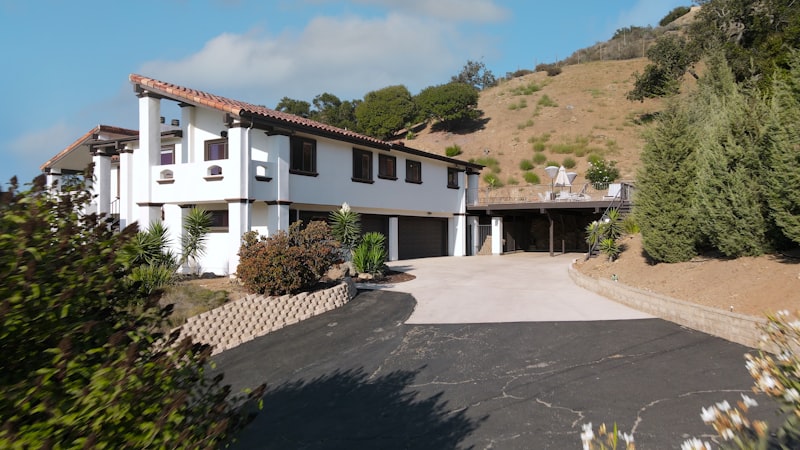
Surfacing your home's driveway is a high-cost exterior improvement that immediately influences your property's curb appeal. For residential parking, hot-mix asphalt (blacktop) and poured Portland concrete are the two leading choices. Our comprehensive asphalt vs concrete driveway material cost comparison evaluates initial installation fees, winter freezing resilience, maintenance demands, and overall lifespan.
Comparing Durability, Maintenance, and Freezing Climates
Hot asphalt is a flexible material made of crushed stone aggregate bound together by sticky liquid petroleum asphalt. Because asphalt is flexible, it can bend slightly during winter ground freeze-thaw cycles without cracking. Poured concrete is a completely rigid material made of cement, sand, gravel, and water reinforced with steel rebar. Because concrete is rigid, if the soil beneath it expands or settles unevenly during a deep freeze, the concrete will crack. To control these cracks, installers must cut deep joints into the concrete.
| Driveway Characteristic | Hot-Mix Asphalt (Blacktop) | Poured Portland Concrete | The Winner |
|---|---|---|---|
| Upfront Installed Cost | Lower ($5.00 - $9.00 / sq ft) | Higher ($10.00 - $16.00 / sq ft) | Asphalt |
| Average Lifespan | 15 - 25 Years (Needs sealing) | 30 - 40+ Years (Very durable) | Concrete |
| Sealing Maintenance | High (Requires seal-coating every 3 years) | Very Low (Optional protective wash seal) | Concrete |
| Winter Climate Resilience | Flexible (Excellent in deep snow regions) | Rigid (Susceptible to freeze cracking) | Asphalt |
| Oil & Stain Resistance | Low (Gasoline can dissolve asphalt binder) | High (Resists oils, can show stain marks) | Concrete |
Understanding the Driveway Material Cost Comparison
Analyzing the driveway material cost comparison reveals that asphalt is significantly cheaper to install upfront. For a standard 600-square-foot residential driveway (enough space to park two cars), installing hot asphalt costs between $3,500 and $5,500. Poured concrete for the exact same driveway costs between $6,500 and $9,500. However, concrete's massive 40-year lifespan means it represents a superior long-term financial investment for homeowners who plan to stay in their homes forever.
- Asphalt Sealing: New asphalt driveways should be sealed 6 to 12 months after installation to allow the oils to cure, and then resealed every 3 to 5 years. Neglecting seal-coating will cause the asphalt to dry out, turn gray, and crumble.
- Salt Damage: Never apply harsh chemical de-icing salts to a new concrete driveway. De-icing salts cause water to penetrate the concrete's micro-pores and freeze, causing the decorative surface of the concrete to flake off (scaling).
Climate Should Weigh Heavily in This Decision
In regions with severe freeze-thaw cycles and heavy de-icing salt use, asphalt's flexibility genuinely outperforms concrete's rigidity, since asphalt can absorb minor ground movement without cracking the way concrete does. In hot, sunny climates, asphalt can soften and rut under heavy vehicle weight during extreme heat, while concrete holds its shape regardless of temperature. There's a real case for either material being the better regional choice, not just a universal winner.
Stamped and Decorative Concrete Changes the Cost Comparison
Plain gray concrete is the version usually compared against asphalt on price, but stamped, colored, or exposed-aggregate decorative concrete finishes can push concrete driveway costs well above even premium asphalt, sometimes doubling the base concrete price. If aesthetics matter as much as function, it's worth comparing asphalt specifically against a decorative concrete finish rather than plain gray, since that's a much closer price fight than the basic comparison suggests.
Frequently Asked Questions
Can I pour concrete directly over my existing asphalt driveway?
It is highly discouraged. Asphalt degrades, softens under the summer sun, and cracks. Pouring concrete over a failing asphalt base will quickly cause the concrete to crack and settle. Always excavate old asphalt back to the gravel sub-base before pouring concrete.
Why does asphalt turn gray over time?
Asphalt is a petroleum product. Ultraviolet (UV) rays from the sun oxidize the oils in the liquid asphalt binder, causing the binder to break down and expose the natural gray aggregate stones beneath.
Can asphalt be poured in cold weather?
Asphalt needs to be installed above a minimum temperature, generally around 50°F, to compact and cure properly, which limits paving season in cold climates to spring through fall in most regions.
How do I know if my driveway cracks are normal or a sign of a bigger problem?
Small surface cracks under a quarter inch in either material are common and usually cosmetic. Wide cracks, cracks with a height difference between the two sides, or cracks that keep reappearing after repair point to a base or drainage problem worth having evaluated before resurfacing.
How thick should a residential driveway be for either material?
Asphalt driveways typically run 2 to 3 inches thick over a compacted gravel base, while concrete is usually poured 4 inches thick, or 5 to 6 inches if it needs to support heavier vehicles like an RV or work truck.
Does driveway color or finish affect how hot it gets in summer?
Yes. Dark asphalt absorbs significantly more heat than light-colored concrete, which can make asphalt noticeably hotter underfoot and can accelerate softening in extreme summer heat, a real consideration in consistently hot, sunny climates.
Related Remodeling Calculators
Interactive Concrete Slab & Pouring Cost Calculator
See the cost to pour a concrete slab or pad. Our concrete calculator covers patios, shed bases, and driveway pours across the US and Canada.
EstimatorDriveway Cost Calculator & Material Guide
Estimate asphalt driveway cost per square foot or concrete driveway cost. Try our driveway cost calculator for excavation, gravel base, and finishing.
EstimatorInteractive Fence Cost Calculator & Guide
Calculate the cost to build a fence including post hole digging. Our wood fence cost per foot calculator estimates cedar, vinyl, and metal.
In this Category
Planning to Finance This Project?
Model what a renovation loan would cost per month across different amounts, terms, and credit profiles, and read how HELOCs, home equity loans, and personal loans actually differ before you approach a lender.
Model Monthly Payments →US and Canada Pricing
Pricing rates represent consolidated metrics across US Midwest/South, US East/West Coasts, and major Canadian Metropolitan districts.