Composite vs. Wood Fencing
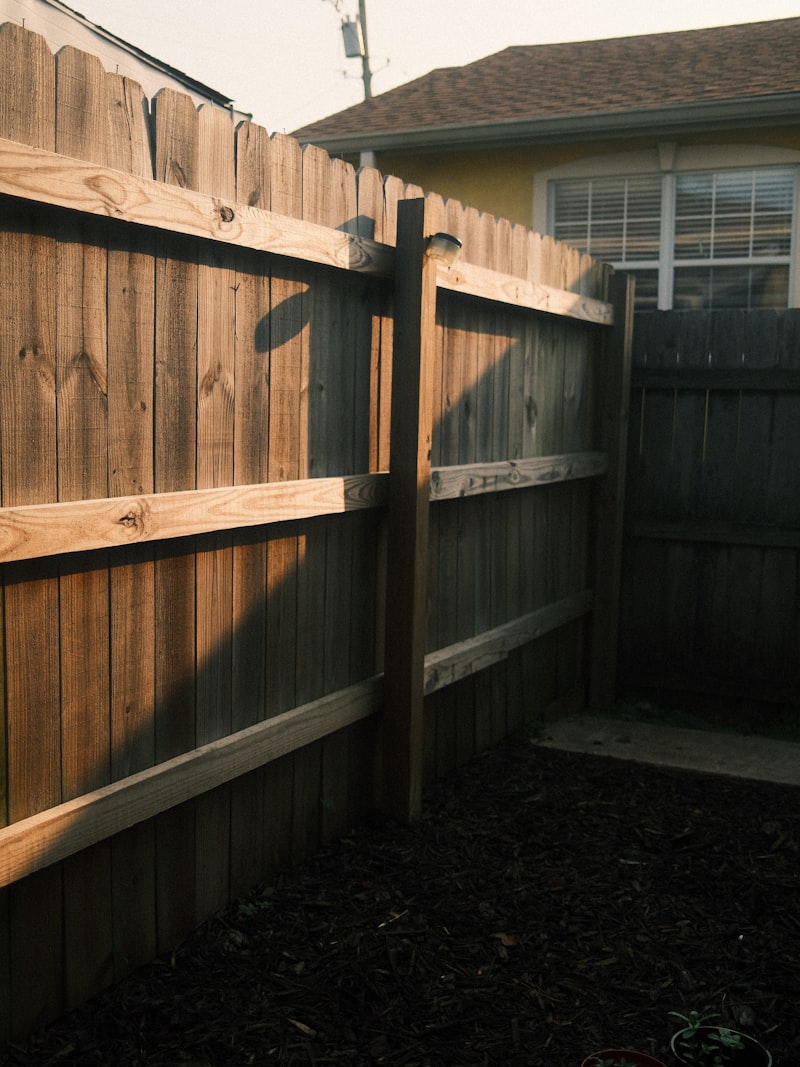
Wood fencing wins on upfront price. Composite wins on every year after that. Which one actually saves you money depends entirely on how long you plan to own the fence.
Upfront Cost vs. What You'll Spend to Maintain It
Pressure-treated wood is the cheapest fencing material to buy and install, which is why it remains the default choice. But wood needs staining or sealing every 2 to 3 years to resist rot, warping, and insect damage, and even with maintenance, most wood fences need partial board replacement within 10 to 15 years. Composite fencing, made of recycled wood fiber and plastic, costs considerably more upfront but needs essentially no maintenance and typically carries a 20 to 25 year warranty.
| Factor | Pressure-Treated Wood | Composite | Winner |
|---|---|---|---|
| Installed cost | $18.00 to $28.00 / linear ft | $35.00 to $55.00 / linear ft | Wood |
| Maintenance | Stain/seal every 2 to 3 years | Occasional wash, no sealing needed | Composite |
| Expected lifespan | 12 to 18 years with upkeep | 25 to 30 years | Composite |
| Insect and rot resistance | Moderate, treated but not immune | Excellent, immune to rot and termites | Composite |
| Repairability | Easy, replace individual boards | Harder, panels are less modular | Wood |
Running the Real Numbers Over Time
Over a 20-year span, a wood fence's staining and board-replacement costs typically add up to close to what you'd have paid for composite upfront, sometimes more. If you're planning to stay in the home long-term, composite usually wins on total cost of ownership even though it looks more expensive on day one. If you're fencing a rental property or plan to move within a decade, wood's lower upfront cost is harder to beat.
- Cheap composite fencing from a decade ago had a plasticky, obviously fake look. Modern capped composite boards use embossed wood-grain textures that are genuinely difficult to distinguish from real cedar at a glance.
- Wood fences absorb sound slightly better than composite in most tests, a minor factor worth knowing if privacy from street noise is part of the goal.
Post Material Matters as Much as the Fence Boards
Both wood and composite fencing are commonly installed with pressure-treated wood posts set in concrete, which means the posts, the part most exposed to ground moisture and the first thing to fail, are often identical regardless of which board material you choose above ground. Some composite systems use matching composite or aluminum posts instead, which costs more but eliminates the one wood component that could otherwise undermine an otherwise low-maintenance composite fence.
HOA and Neighborhood Style Guidelines Often Decide This For You
In neighborhoods with strict homeowners association rules, approved fencing materials and colors are sometimes limited to specific composite product lines or traditional wood styles, which can make this decision moot before cost or maintenance even enters the conversation. Always check HOA guidelines and, in some municipalities, height and material zoning restrictions before ordering fencing material, since a fence installed without approval can mean an expensive teardown and redo.
Frequently Asked Questions
Does composite fencing fade in direct sunlight?
Quality capped composite resists fading well, typically backed by a 20+ year warranty against significant color loss. Uncapped, budget composite products fade more noticeably and are worth avoiding for full-sun installations.
Can you paint or stain composite fencing?
Generally no, and manufacturers don't recommend it. Composite boards get their color mixed into the material during manufacturing, so the surface isn't designed to accept and hold paint or stain the way wood does.
Does composite fencing get hot to the touch in direct sun?
Dark-colored composite boards can get noticeably warm in direct summer sun, similar to composite decking, though this is rarely an issue for a fence since people don't typically lean against it barefoot the way they walk on a deck.
Can wood fence posts be reused with new composite fence panels?
Sometimes, if the existing posts are still structurally sound and spaced correctly for the new composite panel system's requirements, though many composite systems have specific post spacing and mounting hardware that may not match an older wood fence's post layout.
How long does it take to install a typical residential fence?
A standard backyard fence, 150 to 200 linear feet, usually takes a crew 2 to 4 days for either material, including post-hole digging and concrete curing time before panels or boards are attached.
Is composite fencing recyclable at the end of its life?
Many composite products are made partly from recycled wood fiber and plastic to begin with, and some manufacturers offer take-back or recycling programs for old composite boards, though availability varies by brand and region, so it's worth asking before assuming a program exists locally.
Does a taller fence cost proportionally more than a standard height fence?
Not exactly proportionally, since post and labor costs stay similar regardless of a modest height increase, but taller fences need larger posts set deeper for structural stability, which does add real cost beyond just the extra board material.
Related Remodeling Calculators
Interactive Concrete Slab & Pouring Cost Calculator
See the cost to pour a concrete slab or pad. Our concrete calculator covers patios, shed bases, and driveway pours across the US and Canada.
EstimatorDriveway Cost Calculator & Material Guide
Estimate asphalt driveway cost per square foot or concrete driveway cost. Try our driveway cost calculator for excavation, gravel base, and finishing.
EstimatorInteractive Fence Cost Calculator & Guide
Calculate the cost to build a fence including post hole digging. Our wood fence cost per foot calculator estimates cedar, vinyl, and metal.
In this Category
Planning to Finance This Project?
Model what a renovation loan would cost per month across different amounts, terms, and credit profiles, and read how HELOCs, home equity loans, and personal loans actually differ before you approach a lender.
Model Monthly Payments →US and Canada Pricing
Pricing rates represent consolidated metrics across US Midwest/South, US East/West Coasts, and major Canadian Metropolitan districts.