Crawl Space vs. Basement Foundation
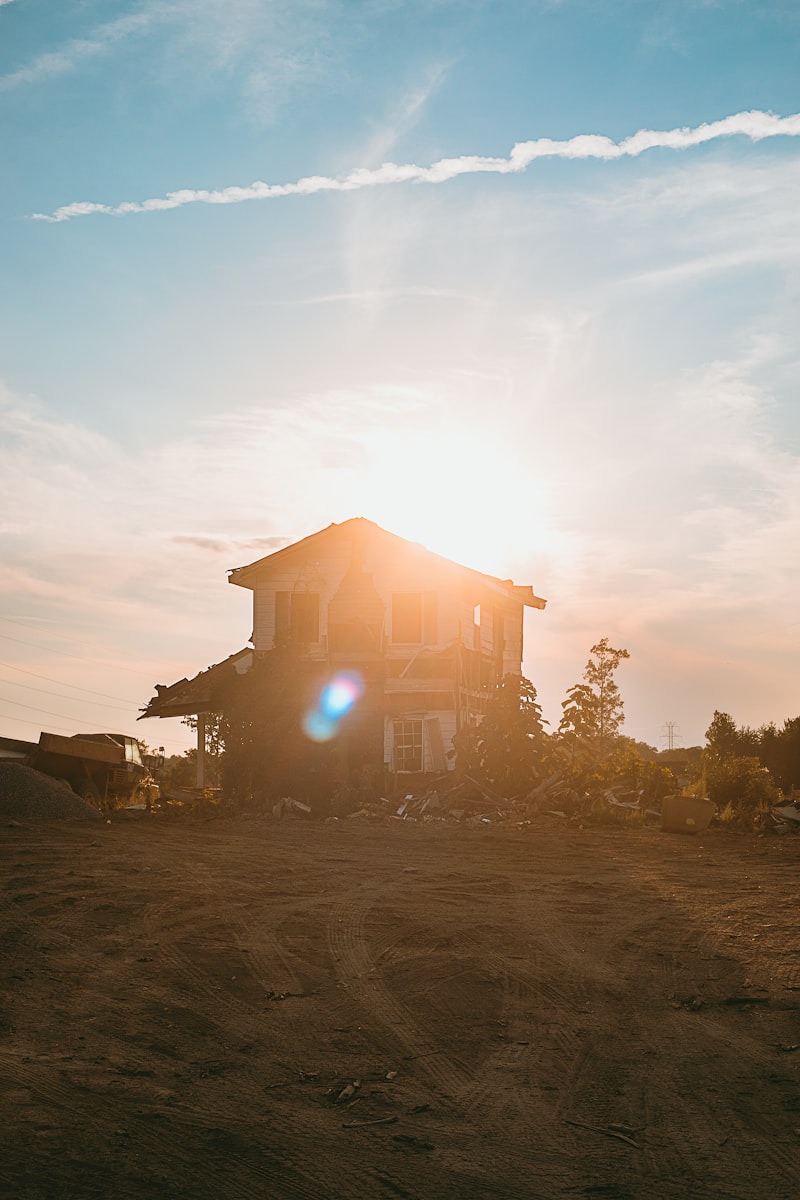
This is usually decided before you're even involved, by the builder, the soil, or the local water table. But if you're planning a new addition, it's worth understanding what you're trading away with each option.
What You're Actually Paying For
A crawl space is a shallow, unfinished void (typically 18 inches to 4 feet tall) between the ground and the first floor, built on short foundation walls or piers. A full basement is excavated deep enough to create a walkable, often finishable, level of the house. The cost difference comes almost entirely from excavation volume: digging a full 8-foot basement moves dramatically more earth than a crawl space footing.
| Factor | Crawl Space | Full Basement | Winner |
|---|---|---|---|
| Foundation cost (per sq ft of home) | $5.00 to $10.00 | $18.00 to $35.00 | Crawl Space |
| Usable additional square footage | None, unless finished later | Yes, an entire extra floor | Basement |
| Moisture and radon risk | Higher, ground contact and ventilation issues | Lower, if properly waterproofed | Basement |
| Access for plumbing/electrical repairs | Easier, crawl and access directly | Requires opening finished walls | Crawl Space |
| Resale value contribution | Minimal | Significant, adds real living space | Basement |
The Moisture Problem Nobody Mentions Upfront
Crawl spaces have a reputation problem for a reason: an unsealed, unvented crawl space is one of the most common sources of household humidity, musty odors, and wood rot in the entire house. Modern building science has mostly moved away from vented crawl spaces toward sealed, encapsulated ones, lined with a heavy vapor barrier and conditioned with the home's HVAC system. Done right, a crawl space stops being a liability. Done the old way, with open vents to outside air, it rarely is.
- Encapsulating an existing crawl space (vapor barrier, sealed vents, dehumidifier) typically runs $1,500 to $5,500, and is one of the higher-ROI moisture fixes for older homes.
- In areas with a high water table, a full basement can require a sump pump and perimeter drain system just to stay dry, adding real ongoing cost that a crawl space avoids entirely.
New Construction vs. Retrofit Changes the Calculus Entirely
This comparison is far more flexible during new construction, when either foundation type costs roughly what it costs and the decision is mostly about budget and desired usable space. Retrofitting an existing crawl space into a basement after the fact, called underpinning, is a completely different financial proposition, often costing more than building a basement originally would have, since it involves excavating and structurally supporting a house that's already sitting on top of the work zone.
Climate and Soil Type Push the Decision One Way or the Other
In areas with a high water table or heavy clay soil prone to expansion, a full basement can face serious ongoing waterproofing challenges that a shallow crawl space simply avoids by not going as deep. In regions with stable, well-draining soil and a low water table, a basement's moisture risk drops considerably, making the extra usable square footage a much easier tradeoff to justify.
Frequently Asked Questions
Is a crawl space cheaper to build than a basement?
Significantly cheaper, usually by half or more per square foot of home footprint. The tradeoff is that a crawl space adds essentially no usable living or storage space, while a basement adds an entire additional floor.
Should I convert my crawl space into a small basement?
This is technically possible (called a basement dig-out or underpinning) but it's a major structural project, often costing more per square foot than building a basement from scratch during original construction. It's usually only worth it when combined with a larger renovation.
Which foundation type is better for radon control?
Both can have radon issues depending on local soil geology, but they require somewhat different mitigation approaches. A basement typically uses a sub-slab depressurization system, while a crawl space mitigation setup often integrates with the vapor barrier and ventilation system installed during encapsulation.
Does a crawl space foundation limit what kind of addition I can build later?
Not usually for a single-story addition, since a new crawl space or slab foundation can be built to match. It becomes more of a factor if you want a below-grade connected space, like extending an existing basement, which a crawl space home doesn't have to extend into.
Which foundation type is more common in new construction today?
It varies heavily by region. Basements remain the default in much of the colder Midwest and Northeast, where deep frost-line footings are required anyway, while crawl spaces and slab foundations are more common in warmer regions with shallower frost depths and higher water tables.
Can a crawl space be partially finished for storage without full encapsulation?
Technically yes, but skipping moisture control on a crawl space used for storage risks damaging whatever's stored there and can still contribute to humidity and wood rot issues in the floor above, so encapsulation is worth doing even for storage-only use.
Related Remodeling Calculators
Interactive Concrete Slab & Pouring Cost Calculator
See the cost to pour a concrete slab or pad. Our concrete calculator covers patios, shed bases, and driveway pours across the US and Canada.
EstimatorDriveway Cost Calculator & Material Guide
Estimate asphalt driveway cost per square foot or concrete driveway cost. Try our driveway cost calculator for excavation, gravel base, and finishing.
EstimatorInteractive Fence Cost Calculator & Guide
Calculate the cost to build a fence including post hole digging. Our wood fence cost per foot calculator estimates cedar, vinyl, and metal.
In this Category
Planning to Finance This Project?
Model what a renovation loan would cost per month across different amounts, terms, and credit profiles, and read how HELOCs, home equity loans, and personal loans actually differ before you approach a lender.
Model Monthly Payments →US and Canada Pricing
Pricing rates represent consolidated metrics across US Midwest/South, US East/West Coasts, and major Canadian Metropolitan districts.