Fiberglass vs. Wood Entry Doors
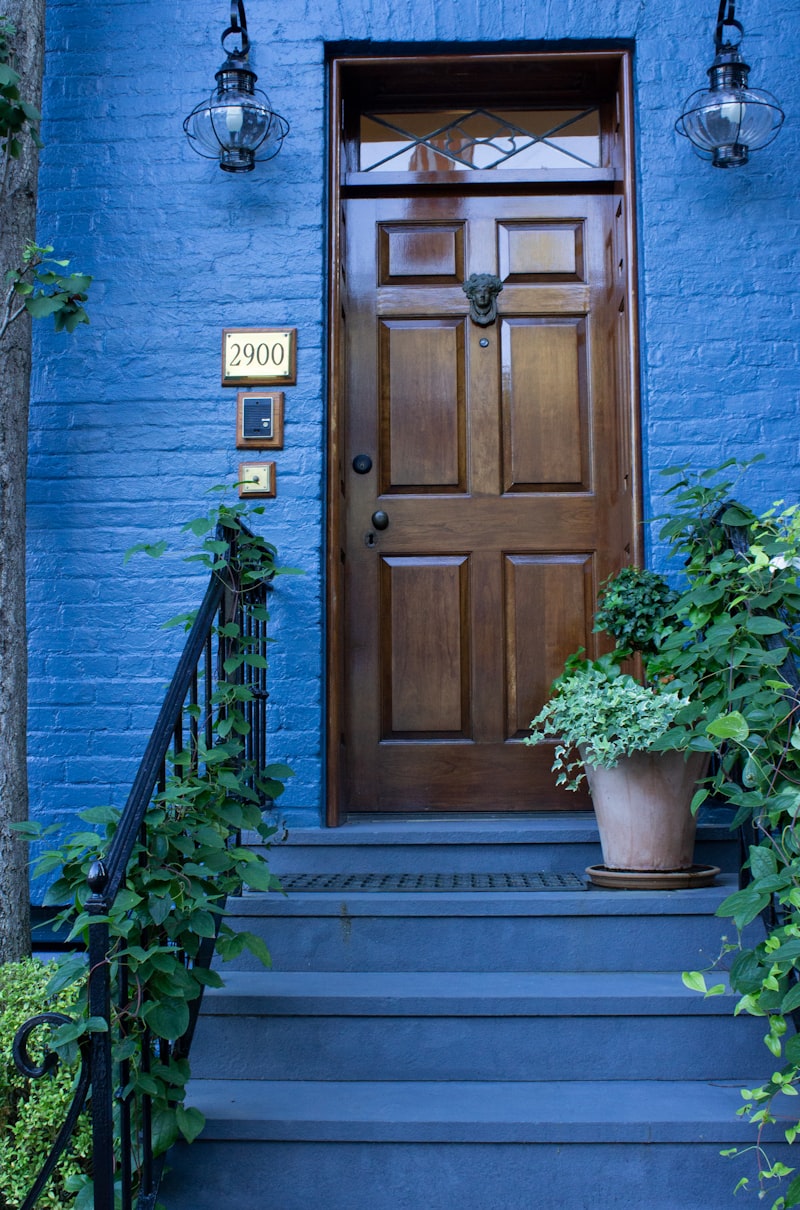
A front door takes more weather abuse than almost any other part of your house. Wood looks better to purists. Fiberglass survives better to everyone else's schedule.
How They Hold Up to Actual Weather
Solid wood doors are beautiful when new, and that's the problem: they start degrading the moment they're installed. Sun exposure fades and dries the finish, rain swells the panels, and a south-facing wood door can need refinishing every 2 to 3 years just to stay sealed. Fiberglass doors are molded with a wood-grain texture over a foam-insulated core, and they don't swell, rot, or fade the way wood does. Premium fiberglass can be stained to look genuinely close to real wood grain.
| Factor | Solid Wood Door | Fiberglass Door | Winner |
|---|---|---|---|
| Installed cost | $800 to $3,000+ | $500 to $2,200 | Fiberglass |
| Weather resistance | Poor, swells and warps over time | Excellent, dimensionally stable | Fiberglass |
| Refinishing frequency | Every 2 to 3 years in direct sun | Every 8 to 15 years, if ever | Fiberglass |
| Insulation (R-value) | Low, wood is a poor insulator alone | High, foam-core construction | Fiberglass |
| Perceived luxury | Considered the premium original | Excellent, but still seen as the imitation | Wood |
The Real Tradeoff Isn't Looks, It's Upkeep
A well-maintained wood door genuinely looks better than any fiberglass door on the market, full stop. The catch is the word maintained. Most homeowners underestimate how often a south- or west-facing wood door needs to be resealed, and a neglected wood door will crack and warp within a decade. Fiberglass gives up a small amount of authenticity in exchange for basically zero upkeep.
- North-facing wood doors, shielded from direct sun, last far longer between refinishes than south- or west-facing ones. Orientation matters more than the wood species.
- Fiberglass doors with a factory-applied UV-stable stain hold their color for 10+ years without any homeowner maintenance at all.
Steel Doors Are the Third Option Worth Mentioning
This comparison focuses on fiberglass and wood, but steel entry doors are a genuinely competitive third option, typically the cheapest of the three and extremely durable against dents and weather, though steel dents more visibly than fiberglass and can rust at scratches over time without prompt touch-up. If budget is the primary driver rather than the wood-look aesthetic, it's worth comparing steel alongside fiberglass before committing.
Glass Inserts and Sidelights Change the Price Picture Substantially
A plain slab door in either material is relatively affordable, but decorative glass inserts, sidelights, and transom windows can add hundreds to thousands of dollars regardless of whether the door itself is wood or fiberglass. Glass placement and privacy level, clear, frosted, or textured, matters as much to the final price as the door material choice, and it's often the line item that pushes a simple door replacement well past initial budget expectations.
Frequently Asked Questions
Can you stain a fiberglass door to match real wood trim?
Yes. Fiberglass doors are sold unfinished specifically for this. They're molded with a real wood-grain texture and take gel stain similarly to wood, so a skilled painter can match them closely to existing trim.
Do wood doors provide better security than fiberglass?
Security depends almost entirely on the lock hardware and the frame installation, not the door material itself. A solid-core fiberglass door with a proper deadbolt and reinforced strike plate is just as secure as solid wood.
How long does a fiberglass door's factory finish actually last?
A quality factory-applied UV-stable finish on fiberglass typically holds its color and sheen for 10 to 15 years with no maintenance, though direct, intense southern or western sun exposure can shorten that somewhat compared to a shaded northern entry.
Are wood doors a fire or insurance risk compared to fiberglass?
Neither material presents a meaningful difference in typical homeowners insurance underwriting. Entry door material isn't a significant factor in most policies compared to things like the home's roof age, electrical system, and overall condition.
Do fiberglass doors get cold to the touch in winter like steel?
No, fiberglass's foam core insulates well and doesn't conduct cold the way a steel door skin can, making it feel warmer to the touch in cold weather, closer to wood.
How long does it take to install a new entry door?
A straightforward door swap into an existing, square opening typically takes half a day. If the frame needs replacing or the rough opening has settled out of square, which is common in older homes, plan for a full day of carpentry work.
Do storm doors help either wood or fiberglass entry doors last longer?
Yes, for both. A storm door adds a buffer against direct sun, rain, and wind, which meaningfully extends a wood door's time between refinishes and reduces UV fade on fiberglass finishes, though it's a bigger relative benefit for wood given its higher maintenance needs.
What's the average lifespan difference between a well-maintained wood door and a fiberglass door?
A well-maintained wood door can last several decades with consistent refinishing, while fiberglass typically lasts 20 to 30 years with essentially no maintenance at all, making the real lifespan gap smaller than the maintenance-effort gap between the two.
Related Remodeling Calculators
Interactive Concrete Slab & Pouring Cost Calculator
See the cost to pour a concrete slab or pad. Our concrete calculator covers patios, shed bases, and driveway pours across the US and Canada.
EstimatorDriveway Cost Calculator & Material Guide
Estimate asphalt driveway cost per square foot or concrete driveway cost. Try our driveway cost calculator for excavation, gravel base, and finishing.
EstimatorInteractive Fence Cost Calculator & Guide
Calculate the cost to build a fence including post hole digging. Our wood fence cost per foot calculator estimates cedar, vinyl, and metal.
In this Category
Planning to Finance This Project?
Model what a renovation loan would cost per month across different amounts, terms, and credit profiles, and read how HELOCs, home equity loans, and personal loans actually differ before you approach a lender.
Model Monthly Payments →US and Canada Pricing
Pricing rates represent consolidated metrics across US Midwest/South, US East/West Coasts, and major Canadian Metropolitan districts.