Gas vs. Electric Water Heater
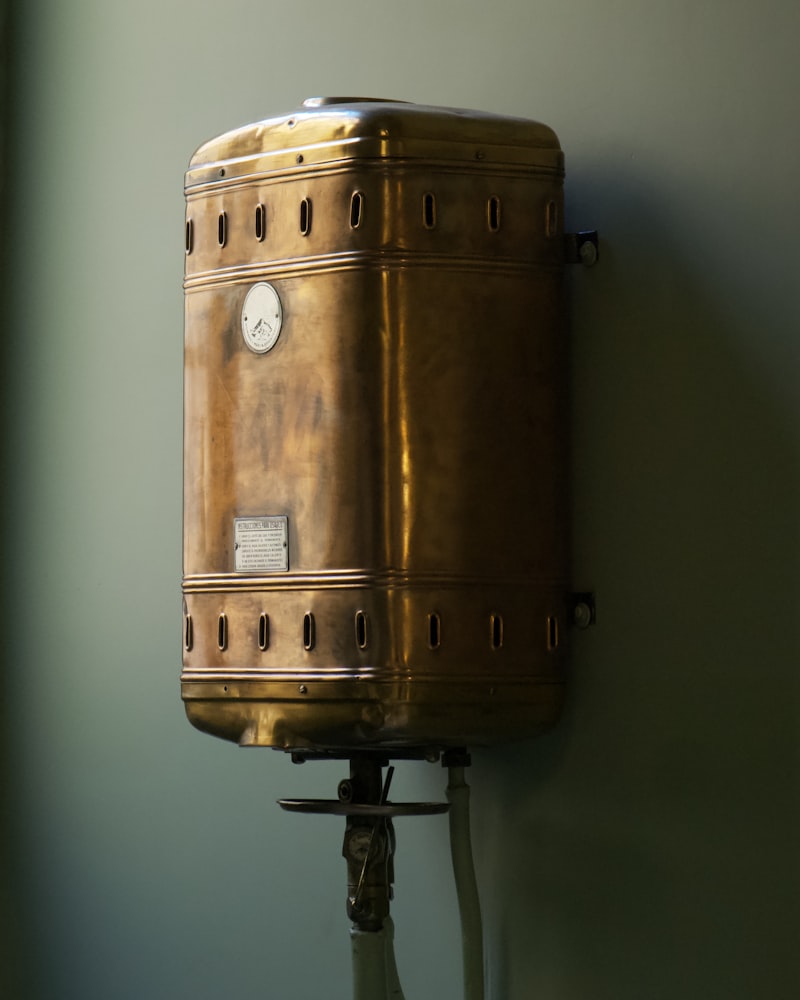
This decision usually isn't really a choice. It's dictated by what's already run to your utility closet. But if you're building new or gutting a mechanical room, here's what each one actually costs to buy, install, and run.
Installed Cost and Recovery Speed
Gas water heaters cost a bit more upfront but recover hot water noticeably faster, since a gas burner heats water more aggressively than an electric element. Electric units cost less to purchase and install if you already have a 240-volt circuit nearby, but they take roughly twice as long to reheat a full tank after heavy use.
| Factor | Gas Water Heater | Electric Water Heater | Winner |
|---|---|---|---|
| Installed cost (40-50 gal) | $1,400 to $2,800 | $1,000 to $2,200 | Electric |
| Recovery time (first hour rating) | 60 to 90 gallons/hour | 20 to 30 gallons/hour | Gas |
| Requires venting | Yes, flue or direct vent | No | Electric |
| Works during a power outage | Yes, if it has a standing pilot | No | Gas |
| Typical lifespan | 8 to 12 years | 10 to 15 years | Electric |
What Actually Drives the Decision in Practice
If your home already has a gas line run to the water heater location, switching to electric usually isn't worth the cost of adding a dedicated high-amperage circuit. The reverse is also true: running new gas line and venting to a home that's all-electric can cost more than the water heater itself. This is one of the few renovation decisions where existing infrastructure, not preference, should make the call.
- Gas water heaters need annual venting inspections in cold climates, since blocked flues are a real carbon monoxide risk.
- Electric heat pump water heaters (hybrid units) run 2 to 3 times more efficiently than standard electric resistance tanks, though they cost more upfront and need surrounding air space to work well.
Hybrid Heat Pump Water Heaters Blur the Line
A hybrid electric heat pump water heater doesn't fit neatly into either category, since it uses electricity but extracts ambient heat from surrounding air rather than direct resistance heating, running 2 to 3 times more efficiently than a standard electric tank. It costs more upfront than either standard gas or electric, needs surrounding air space, a garage or basement works well, a small closet doesn't, and makes the most sense for homes without gas service that still want low operating costs.
What Happens When You Switch Fuel Types Mid-Renovation
Switching from gas to electric, or the reverse, during a renovation is more involved than swapping a like-for-like unit. Going gas to electric means adding a dedicated 240-volt circuit and possibly a panel capacity check. Going electric to gas means running new gas line and, in most jurisdictions, adding proper venting, which can mean cutting through a roof or exterior wall. Both are very doable, but budget for the infrastructure change, not just the new water heater unit.
Frequently Asked Questions
Is it worth switching from electric to gas for a lower bill?
Only if natural gas is significantly cheaper than electricity in your area, and only after accounting for the cost of running a new gas line and venting if you don't already have one. Run the actual utility rate math before switching.
Do gas water heaters work during a power outage?
Standard gas tank water heaters with a standing pilot light will keep heating water during an outage. Newer gas units with electronic ignition, and all electric units, will not work without power unless paired with a generator.
Is a heat pump water heater worth the extra cost over a standard electric tank?
For most households, yes over the long run, since the efficiency gain adds up meaningfully in annual operating cost, though it takes a few years to offset the higher purchase price. It works best in a space with enough ambient air volume, since heat pump water heaters cool and dehumidify the room they sit in.
Do I need a permit to replace a water heater?
In most US and Canadian jurisdictions, yes, a permit is required for water heater replacement, particularly for gas units where venting and gas line connections need inspection. Many plumbers include permit filing in their quote automatically.
Can I switch from tank to tankless at the same time I switch fuel types?
Yes, and if you're already opening up the mechanical space and running new lines, it's often the most cost-effective time to also switch to tankless, since much of the labor overlaps with a fuel-type conversion anyway.
How long does a water heater replacement typically take?
A like-for-like tank swap usually takes 2 to 4 hours. Switching fuel type, venting, or moving the unit to a new location can stretch a job to a full day or more once electrical, gas line, or venting work is factored in.
What size water heater tank does a typical household need?
A 40-gallon tank generally suits a household of 2 to 3 people, while a family of 4 or more often needs 50 gallons or larger to avoid running out of hot water during back-to-back showers or laundry combined with dishwashing.
Related Remodeling Calculators
Interactive Concrete Slab & Pouring Cost Calculator
See the cost to pour a concrete slab or pad. Our concrete calculator covers patios, shed bases, and driveway pours across the US and Canada.
EstimatorDriveway Cost Calculator & Material Guide
Estimate asphalt driveway cost per square foot or concrete driveway cost. Try our driveway cost calculator for excavation, gravel base, and finishing.
EstimatorInteractive Fence Cost Calculator & Guide
Calculate the cost to build a fence including post hole digging. Our wood fence cost per foot calculator estimates cedar, vinyl, and metal.
In this Category
Planning to Finance This Project?
Model what a renovation loan would cost per month across different amounts, terms, and credit profiles, and read how HELOCs, home equity loans, and personal loans actually differ before you approach a lender.
Model Monthly Payments →US and Canada Pricing
Pricing rates represent consolidated metrics across US Midwest/South, US East/West Coasts, and major Canadian Metropolitan districts.