Heat Pump vs. Furnace: Heating System Comparison
Heating and cooling account for roughly 50% of an average North American home's energy consumption. When upgrading an aging heating system, homeowners face a major choice: do they replace their traditional forced-air gas furnace with another fossil-fuel system, or transition to a high-efficiency electric heat pump? Our comprehensive heat pump vs furnace heating system cost comparison evaluates winter climate performance, efficiency, operating costs, and installation prices.
How Do Heat Pumps and Furnaces Heat Your Home?
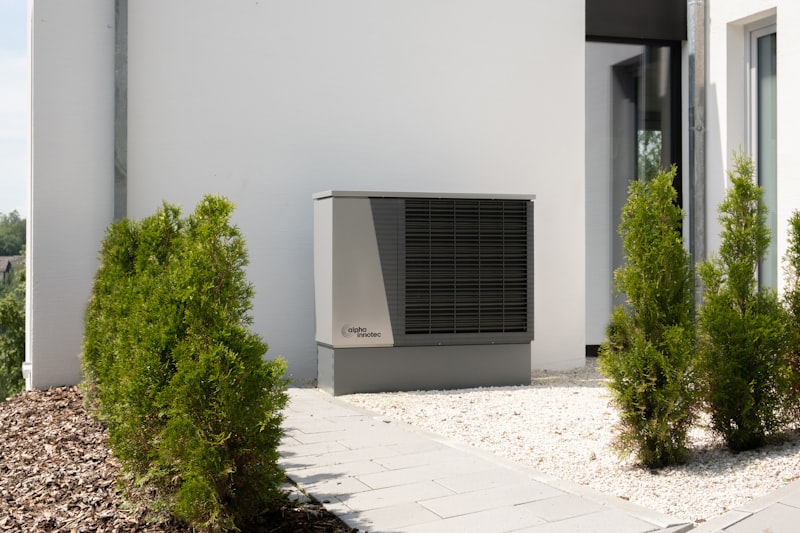
Traditional furnaces generate heat inside your home by burning natural gas, propane, or heating oil, then blowing that heated air through your ductwork using a blower fan. A modern electric heat pump does not generate heat at all. Instead, it acts like an air conditioner operating in reverse. It uses an outdoor compressor and liquid refrigerant to extract ambient heat energy from the cold outdoor air and transfer that heat directly inside your home. Because it moves heat rather than generating it, a heat pump is incredibly efficient, often delivering 300% to 400% efficiency (yielding three to four times more heat energy than the electrical energy it consumes).
| Heating Metric | Forced-Air Gas Furnace | Electric Air-Source Heat Pump | Winner |
|---|---|---|---|
| Energy Efficiency | 80% - 98% AFUE (Loses some heat up chimney) | 300% - 400% COP (Moves heat efficiently) | Heat Pump |
| Summer Cooling | No (Requires a separate AC unit) | Yes (Reverses cycle to act as complete AC) | Heat Pump |
| Extreme Cold Ability | Excellent (Consistent heat at -30°F) | Moderate (Standard pumps lose efficiency below 15°F) | Furnace |
| Carbon Footprint | High (Combusts natural gas or oil) | Zero Local Emissions (Runs on electricity) | Heat Pump |
| Average Replacement Cost | $3,500 - $6,500 | $6,000 - $12,500+ | Furnace (Cheaper upfront) |
Evaluating Electric Heat Pump Versus Gas Furnace Operating Costs
Determining whether an electric heat pump versus gas furnace is cheaper to operate depends entirely on your local utility rates. In regions with inexpensive natural gas and expensive electricity (common in parts of the US Midwest), a gas furnace can still be cheaper to run. In mild climates or regions with expensive heating oil and clean, cheap electricity (common in parts of Canada and the US Pacific Northwest), high-efficiency heat pumps easily save homeowners $500 to $1,500 a year in operating costs.
- Cold Climate Heat Pumps: Modern 'cold-climate' heat pumps feature advanced variable-speed inverter compressors that can extract heating energy from outdoor air at temperatures as low as -15°F (-26°C) without needing backup heating coils.
- Government Incentives: Homeowners in the US can claim up to a $2,000 federal tax credit under the Energy Efficient Home Improvement Credit (Section 25C) for qualifying heat pumps, while Canadian homeowners can access major provincial heat pump rebates.
Sizing Matters More With Heat Pumps Than Furnaces
An oversized furnace is wasteful but usually still works adequately. An oversized or undersized heat pump performs noticeably worse, since heat pump efficiency and comfort depend heavily on matching capacity to the home's actual heat loss and gain, not just picking a bigger unit for safety margin. A proper Manual J load calculation matters more when switching to a heat pump than it typically gets credit for during a straightforward furnace swap.
Frequently Asked Questions
Do heat pumps require a backup heating source?
In extreme northern US states and Canada, standard heat pumps are often paired with an auxiliary electric heat strip or your existing gas furnace (a hybrid dual-fuel system). The system automatically switches to gas heating when outdoor temperatures drop below freezing.
How long do heat pumps and furnaces last?
Standard gas furnaces are incredibly durable and last about 15 to 25 years. Heat pumps operate year-round (heating in winter, cooling in summer) and typically last 12 to 15 years before the compressor requires replacement.
Can I install a heat pump alongside my existing furnace instead of replacing it?
Yes, this dual-fuel setup is common and often ideal in cold climates: the heat pump handles heating and cooling most of the year efficiently, while the furnace kicks in automatically only during the coldest stretches when a heat pump's efficiency drops.
Do heat pumps work well in humid climates?
Yes, and often better than a furnace-plus-AC combo, since heat pumps in cooling mode dehumidify effectively, similar to a standard air conditioner, while also handling winter heating duty in milder humid climates without needing a separate furnace at all.
How loud are modern heat pumps compared to a furnace?
Indoor sound levels are comparable to a furnace's blower. The outdoor compressor unit does add some exterior noise a furnace doesn't have, though modern variable-speed compressors run considerably quieter than older single-stage heat pump models.
Does switching to a heat pump require electrical panel upgrades?
Sometimes, especially in older homes with a 100-amp panel already near capacity. A licensed electrician should check available panel capacity before installation, since an undersized panel is a common surprise cost on heat pump conversion projects.
How long does heat pump or furnace installation typically take?
A straightforward like-for-like furnace swap usually takes a single day. A heat pump conversion, especially one involving new refrigerant lines, an outdoor unit, and possible electrical work, more commonly takes 1 to 2 days.
Related Remodeling Calculators
Interactive Concrete Slab & Pouring Cost Calculator
See the cost to pour a concrete slab or pad. Our concrete calculator covers patios, shed bases, and driveway pours across the US and Canada.
EstimatorDriveway Cost Calculator & Material Guide
Estimate asphalt driveway cost per square foot or concrete driveway cost. Try our driveway cost calculator for excavation, gravel base, and finishing.
EstimatorInteractive Fence Cost Calculator & Guide
Calculate the cost to build a fence including post hole digging. Our wood fence cost per foot calculator estimates cedar, vinyl, and metal.
In this Category
Planning to Finance This Project?
Model what a renovation loan would cost per month across different amounts, terms, and credit profiles, and read how HELOCs, home equity loans, and personal loans actually differ before you approach a lender.
Model Monthly Payments →US and Canada Pricing
Pricing rates represent consolidated metrics across US Midwest/South, US East/West Coasts, and major Canadian Metropolitan districts.