Marble vs. Quartz Countertops
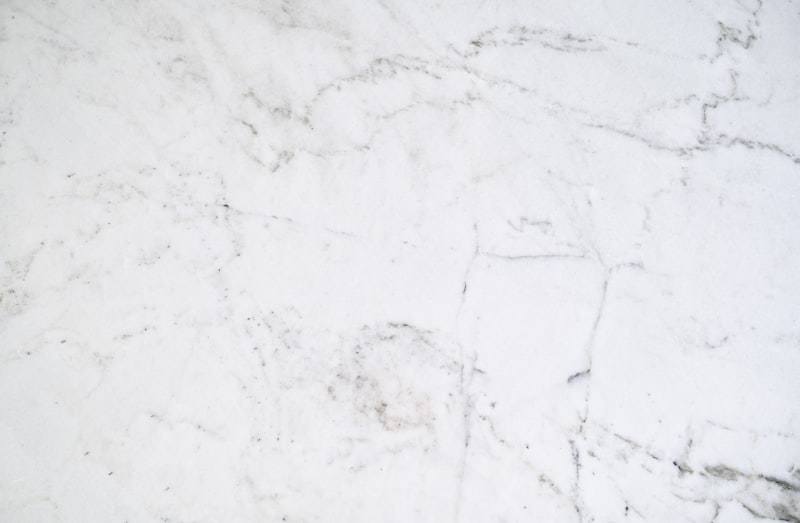
Marble is what shows up in every luxury kitchen photo. It's also one of the highest-maintenance countertop materials you can buy, which is the part the photos never mention.
Beauty vs. Practicality
Marble is a natural metamorphic stone with the soft, flowing veins that quartz manufacturers spend enormous effort trying to replicate. It's also genuinely soft as stone goes, porous, and reactive to acid, meaning lemon juice, wine, or vinegar left sitting on unsealed marble can etch a dull mark into the surface permanently. Quartz is engineered stone, roughly 90% crushed quartz bound with resin, which makes it non-porous, stain-resistant, and far more forgiving of daily kitchen abuse.
| Factor | Natural Marble | Engineered Quartz | Winner |
|---|---|---|---|
| Installed cost | $75.00 to $250.00 / sq ft | $85.00 to $165.00 / sq ft | Quartz (more predictable) |
| Acid etching risk | High, reacts to lemon, wine, vinegar | None, chemically inert surface | Quartz |
| Staining risk | Moderate to high if unsealed | Very low, non-porous | Quartz |
| Heat tolerance | Excellent, can take hot pans | Moderate, resin can scorch above 300°F | Marble |
| Resale prestige | Considered the luxury benchmark | Excellent, but seen as the practical choice | Marble |
Where Marble Still Makes Sense
Marble hasn't stayed popular by accident. Pastry chefs and serious home bakers still prefer it because its naturally cool surface is genuinely better for rolling dough. Many homeowners choose marble specifically for a bathroom vanity or a low-use bar area, where daily acid exposure is rare, and save quartz for the main kitchen countertop that takes real abuse. Splitting materials by room, rather than picking one for the whole house, is a common and reasonable compromise.
- A quality penetrating sealer reduces marble's staining risk substantially, but it needs to be reapplied roughly once a year, and it won't stop etching from acids.
- Honed (matte) marble finishes hide etching and light scratches far better than polished (glossy) marble, which shows every mark clearly.
Waterfall Edges and Islands Amplify the Cost Gap
A waterfall edge, where the countertop material wraps down the side of an island to the floor, uses significantly more slab material and requires precise mitered seams, which raises the price of either material substantially but hits natural marble's cost harder due to the difficulty of matching stone veining across the mitered corner. For a dramatic waterfall island, quartz's consistent, manufactured pattern is considerably easier and often cheaper to execute cleanly than natural marble's unique veining.
Marble Alternatives That Split the Difference
Quartzite, a natural stone often confused with quartz due to the similar name, offers marble's organic look with considerably better heat and scratch resistance, though it still requires sealing like granite and marble do. Porcelain slabs are another increasingly popular option, printed with a marble pattern on a highly durable, heat-resistant surface, offering some of marble's look with quartz-like durability, at a price point that varies widely by brand and thickness.
Frequently Asked Questions
Is marble a bad choice for a busy family kitchen?
It requires more care than most busy kitchens realistically provide. Marble can absolutely work in a high-traffic kitchen, but it demands consistent sealing and quick cleanup of acidic spills, which is a real behavioral commitment, not just a one-time purchase decision.
Can etched marble be repaired?
Light etching can often be buffed out with a marble polishing powder and a soft cloth. Deeper etching or dull spots typically need a professional stone restoration service to re-hone the surface.
Is quartzite the same as quartz?
No, despite the similar name. Quartzite is a natural metamorphic stone, similar in category to marble or granite, that requires sealing and has some risk of etching. Quartz is an engineered material made from crushed quartz and resin that needs no sealing at all.
Do marble countertops need to be resealed every year without exception?
Roughly once a year is the standard recommendation, though the actual interval depends on usage and the specific sealer product. A simple water-bead test, splashing water on the surface, tells you if it's still sealing properly or due for a fresh coat.
How much does it cost to install a marble or quartz countertop?
For a standard kitchen with roughly 30 to 40 square feet of counter space, expect $2,250 to $6,500 for quartz and anywhere from $2,250 to $10,000 or more for marble, depending heavily on the specific stone's rarity and pattern complexity.
Can I repair a chip in a quartz countertop myself?
Small chips can sometimes be filled with a color-matched epoxy kit for a temporary fix, but a professional repair, blending resin and pigment to match the specific quartz pattern, gives a far less noticeable result for anything on a visible edge or corner.
Which material is heavier to transport and install, marble or quartz?
Both are comparably heavy natural or engineered stone slabs requiring similar handling equipment and crew size for installation, so weight isn't a meaningful differentiator between the two when planning delivery access or floor support for an upper-level kitchen.
Related Remodeling Calculators
Interactive Concrete Slab & Pouring Cost Calculator
See the cost to pour a concrete slab or pad. Our concrete calculator covers patios, shed bases, and driveway pours across the US and Canada.
EstimatorDriveway Cost Calculator & Material Guide
Estimate asphalt driveway cost per square foot or concrete driveway cost. Try our driveway cost calculator for excavation, gravel base, and finishing.
EstimatorInteractive Fence Cost Calculator & Guide
Calculate the cost to build a fence including post hole digging. Our wood fence cost per foot calculator estimates cedar, vinyl, and metal.
In this Category
Planning to Finance This Project?
Model what a renovation loan would cost per month across different amounts, terms, and credit profiles, and read how HELOCs, home equity loans, and personal loans actually differ before you approach a lender.
Model Monthly Payments →US and Canada Pricing
Pricing rates represent consolidated metrics across US Midwest/South, US East/West Coasts, and major Canadian Metropolitan districts.