Mini-Split vs. Central AC
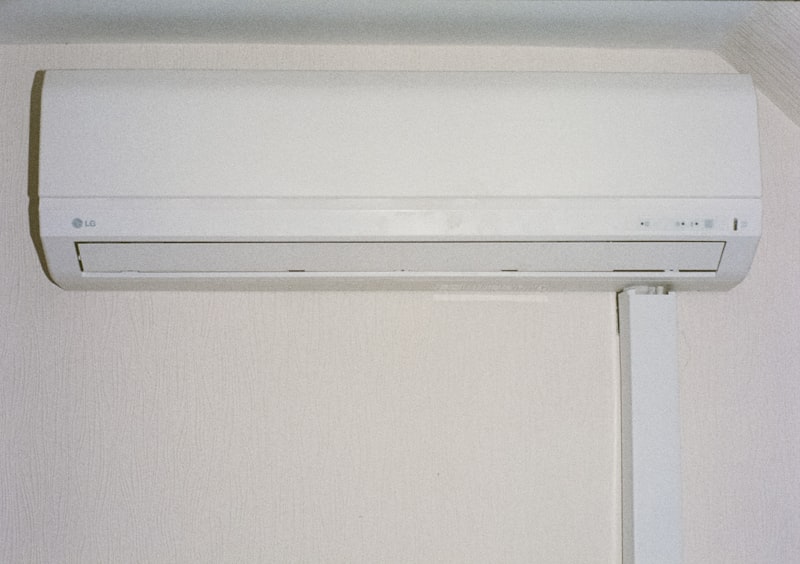
If your home already has ductwork, this comparison barely matters. If it doesn't, a mini-split can save you the enormous cost of installing ducts from scratch.
How the Two Systems Actually Differ
Central AC uses a single outdoor condenser to cool air that travels through a network of ducts to every room. It's efficient at whole-home cooling once ductwork exists, but installing ducts in a home that never had them can cost more than the AC unit itself. Ductless mini-splits use one outdoor compressor connected to individual wall-mounted indoor units, each cooling a single room or zone independently, with no ductwork required at all.
| Factor | Central AC (existing ducts) | Ductless Mini-Split | Winner |
|---|---|---|---|
| Installed cost (whole home) | $5,000 to $12,000 | $3,000 to $15,000+ (per zone pricing) | Depends on zones |
| Installed cost (no existing ducts) | $15,000 to $25,000+ (ducts + unit) | $3,000 to $7,000 per zone | Mini-Split |
| Zone-by-zone temperature control | No, one thermostat for the house | Yes, each head is independent | Mini-Split |
| Energy loss in distribution | 10-30% lost through duct leaks | Minimal, no ductwork | Mini-Split |
| Whole-home aesthetic | Invisible, vents only | Visible wall units in each room | Central AC |
Where Each One Makes the Most Sense
If ductwork already exists and is in good condition, central AC is almost always the simpler and often cheaper path for whole-home cooling. Mini-splits win decisively in homes with no ducts, room additions, converted garages, and older houses where running new ductwork would mean tearing into finished walls and ceilings. They're also the better choice if you only need to cool a couple of rooms rather than an entire house.
- A single outdoor compressor can typically run 2 to 5 indoor mini-split heads, so whole-home mini-split coverage is realistic, just priced per zone rather than as one lump sum.
- Mini-splits double as heat pumps in most models, providing efficient heating in mild-to-moderate winters as a bonus on top of cooling.
The Aesthetic Tradeoff Is Real and Worth Weighing Honestly
Central air is invisible once installed, just vents in the ceiling or floor. Mini-split indoor heads are visible wall-mounted or ceiling-cassette units in every room they serve, which some homeowners find genuinely intrusive to a room's design, especially in more traditional or formal spaces. Ceiling cassette and concealed duct mini-split options exist and cost more, trading some of the installation simplicity for a cleaner look closer to central air.
Multi-Zone Systems and Sizing Complexity
A single outdoor compressor running multiple indoor heads, multi-zone, is more efficient per zone than installing several separate single-zone systems, but it requires more careful upfront sizing, since an oversized or undersized multi-zone system underperforms across all its zones rather than just one room. This is a case where working with an HVAC contractor experienced specifically in multi-zone mini-split design pays off, rather than treating it as a simple parts swap.
Frequently Asked Questions
Are mini-splits as powerful as central air?
Per zone, yes. A properly sized mini-split head cools its room as effectively as central air. The difference is central air uses one system to cool everywhere at once, while mini-splits require enough heads and zones to match that same whole-home coverage.
Do mini-splits work well in extreme heat?
Modern inverter-driven mini-splits perform well even in extreme heat, often maintaining efficiency better than older central AC units because the compressor modulates output instead of just switching fully on and off.
Can a mini-split replace central air entirely in a whole house?
Yes, with enough zones and properly sized heads, a multi-zone mini-split system can cool and heat an entire home. It's a different aesthetic and installation approach than central air, but functionally it can fully replace it.
Are mini-splits noisy?
Indoor units are generally quieter than a central air vent, often barely audible on low settings. The outdoor compressor makes some noise, comparable to a central AC condenser, though modern inverter-driven units run quieter than older fixed-speed models.
Do mini-splits require a permit to install?
Usually yes, since they involve electrical work and refrigerant line installation. A licensed HVAC installer typically handles permitting as part of the installation process.
How far can the outdoor compressor be from the indoor head?
Most mini-split systems allow refrigerant line runs of 50 to 100 feet or more depending on the manufacturer and model, giving real flexibility in outdoor unit placement, though longer runs can modestly reduce efficiency and may need line size adjustments.
Does adding ductwork to a home without it ever make sense over mini-splits?
Occasionally, if a whole-home renovation is already opening up walls and ceilings for other reasons, since running ducts during that work is far cheaper than doing it as a standalone project. Absent that overlap, mini-splits almost always win on cost for a duct-free retrofit.
Do mini-split systems qualify for the same efficiency rebates as central heat pumps?
In most US and Canadian programs, yes, ductless mini-split heat pumps qualify for the same efficiency incentives as ducted heat pump systems, provided they meet the program's specific efficiency rating thresholds. Check your local utility or government program for exact qualifying models.
Related Remodeling Calculators
Interactive Concrete Slab & Pouring Cost Calculator
See the cost to pour a concrete slab or pad. Our concrete calculator covers patios, shed bases, and driveway pours across the US and Canada.
EstimatorDriveway Cost Calculator & Material Guide
Estimate asphalt driveway cost per square foot or concrete driveway cost. Try our driveway cost calculator for excavation, gravel base, and finishing.
EstimatorInteractive Fence Cost Calculator & Guide
Calculate the cost to build a fence including post hole digging. Our wood fence cost per foot calculator estimates cedar, vinyl, and metal.
In this Category
Planning to Finance This Project?
Model what a renovation loan would cost per month across different amounts, terms, and credit profiles, and read how HELOCs, home equity loans, and personal loans actually differ before you approach a lender.
Model Monthly Payments →US and Canada Pricing
Pricing rates represent consolidated metrics across US Midwest/South, US East/West Coasts, and major Canadian Metropolitan districts.