Spray Foam vs. Fiberglass Insulation
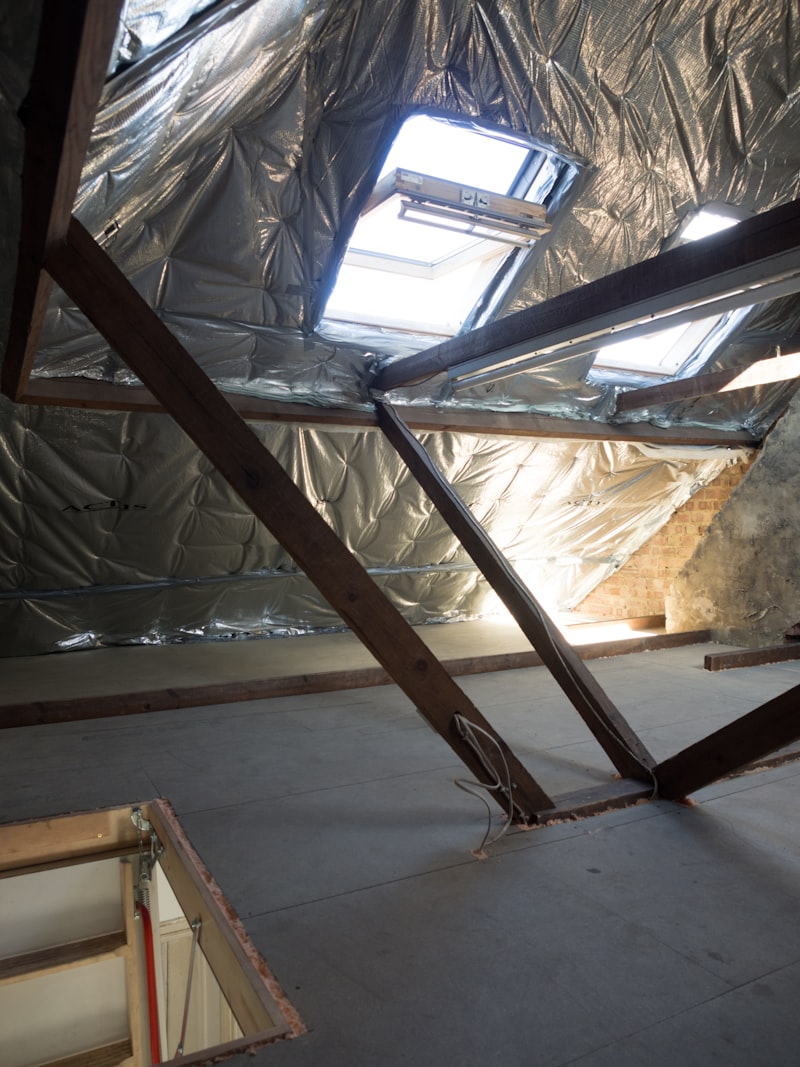
Fiberglass insulates. Spray foam insulates and seals air leaks at the same time, which is the whole reason it costs three to five times more per square foot.
R-Value Is Only Half the Story
Fiberglass batts are the standard, affordable insulation choice, rated by R-value per inch of thickness. The problem isn't the fiberglass itself, it's that batts only work well when installed perfectly, and gaps, compression, or air leaks around the batts can cut real-world performance well below the rated R-value. Spray foam expands to fill every gap and crack as it cures, creating an air seal that stops drafts entirely, not just insulating against heat transfer.
| Factor | Fiberglass Batts | Spray Foam (Closed-Cell) | Winner |
|---|---|---|---|
| Material + install cost | $0.50 to $1.50 / sq ft | $1.50 to $5.00+ / sq ft | Fiberglass |
| R-value per inch | R-2.9 to R-3.8 | R-6.0 to R-7.0 | Spray Foam |
| Air sealing | None, gaps remain around batts | Complete, fills every crack | Spray Foam |
| Moisture/mold resistance | Can hold moisture if it gets wet | Closed-cell is moisture resistant | Spray Foam |
| DIY installation | Yes, straightforward for most homeowners | No, requires professional equipment | Fiberglass |
Is the Extra Cost of Spray Foam Actually Worth It
For a standard attic floor with good existing air sealing, fiberglass batts remain a perfectly reasonable and far cheaper choice. Spray foam earns its price premium in specific situations: rim joists, irregular framing cavities, and unvented roof assemblies where air sealing genuinely matters as much as R-value. Most cost-effective renovations use a hybrid approach, spray foam in the hard-to-seal spots and fiberglass or blown cellulose everywhere else.
- Open-cell spray foam is cheaper than closed-cell but has a lower R-value per inch and isn't moisture resistant, making it a poor choice for below-grade or exterior-adjacent applications.
- Compressed fiberglass batts lose R-value fast. A batt rated R-19 but squeezed into a cavity too shallow for it can perform closer to R-13 in practice.
Attic Floor vs. Roofline: The Decision Changes by Location
Insulating the attic floor, keeping the attic itself unconditioned and cold, is the traditional approach and works well with either fiberglass batts or blown-in insulation at a much lower cost than foam. Insulating the roofline instead, creating a conditioned attic, is where closed-cell spray foam earns its cost premium, since it seals the irregular rafter cavities and roof deck in a way batts genuinely cannot replicate. Choosing which surface to insulate matters as much as which material, and it's worth discussing both with a contractor rather than assuming attic-floor insulation is always the default.
Cure Time and Ventilation Considerations
Freshly sprayed foam needs proper cure time and ventilation before a space is safely occupied, typically 24 hours minimum, and improperly mixed or applied spray foam can off-gas noticeably longer, which is why hiring an experienced, licensed installer matters more with spray foam than with fiberglass batts. Fiberglass has its own handling consideration, airborne glass fibers during installation, which is why installers wear protective gear, but it doesn't carry the same curing timeline concern once it's in place.
Frequently Asked Questions
Does spray foam insulation pay for itself in energy savings?
It can, but the payback period is often long, sometimes 10 to 20 years, depending on climate and existing insulation levels. Spray foam is easier to justify on comfort and air sealing than on energy savings math alone in many cases.
Can I install fiberglass insulation over old spray foam or vice versa?
Yes, layering fiberglass batts over an existing spray foam air seal is common practice, particularly in attics where foam handles the rim joists and roofline while cheaper batts add bulk R-value across the open floor.
Is spray foam insulation safe once fully cured?
Yes, once properly cured, typically 24 to 72 hours depending on the product and conditions, spray foam is considered safe and doesn't continue off-gassing at meaningful levels. Problems arise almost exclusively from improper mixing ratios or inadequate ventilation during application, which is why professional installation matters.
Can spray foam and fiberglass be combined in the same project?
Yes, and it's a common cost-saving strategy: spray foam in complex, hard-to-seal areas like rim joists and irregular framing, with cheaper fiberglass batts or blown cellulose covering the larger, simpler open areas like a flat attic floor.
How much insulation cost can I expect for a full attic in an average home?
For a typical 1,200 to 1,500 square foot attic floor, fiberglass batts or blown insulation usually runs $1,500 to $3,000 installed, while a fully foamed roofline conversion to a conditioned attic can run $6,000 to $12,000 or more depending on roof complexity.
Does insulation type affect a home's resale value or energy rating?
A documented, upgraded insulation package can support a slightly better home energy rating and is a genuine selling point, though most buyers weigh visible renovations more heavily than insulation unless they specifically ask about efficiency or utility costs during a showing.
Related Remodeling Calculators
Interactive Concrete Slab & Pouring Cost Calculator
See the cost to pour a concrete slab or pad. Our concrete calculator covers patios, shed bases, and driveway pours across the US and Canada.
EstimatorDriveway Cost Calculator & Material Guide
Estimate asphalt driveway cost per square foot or concrete driveway cost. Try our driveway cost calculator for excavation, gravel base, and finishing.
EstimatorInteractive Fence Cost Calculator & Guide
Calculate the cost to build a fence including post hole digging. Our wood fence cost per foot calculator estimates cedar, vinyl, and metal.
In this Category
Planning to Finance This Project?
Model what a renovation loan would cost per month across different amounts, terms, and credit profiles, and read how HELOCs, home equity loans, and personal loans actually differ before you approach a lender.
Model Monthly Payments →US and Canada Pricing
Pricing rates represent consolidated metrics across US Midwest/South, US East/West Coasts, and major Canadian Metropolitan districts.