Steel vs. Fiberglass Garage Doors
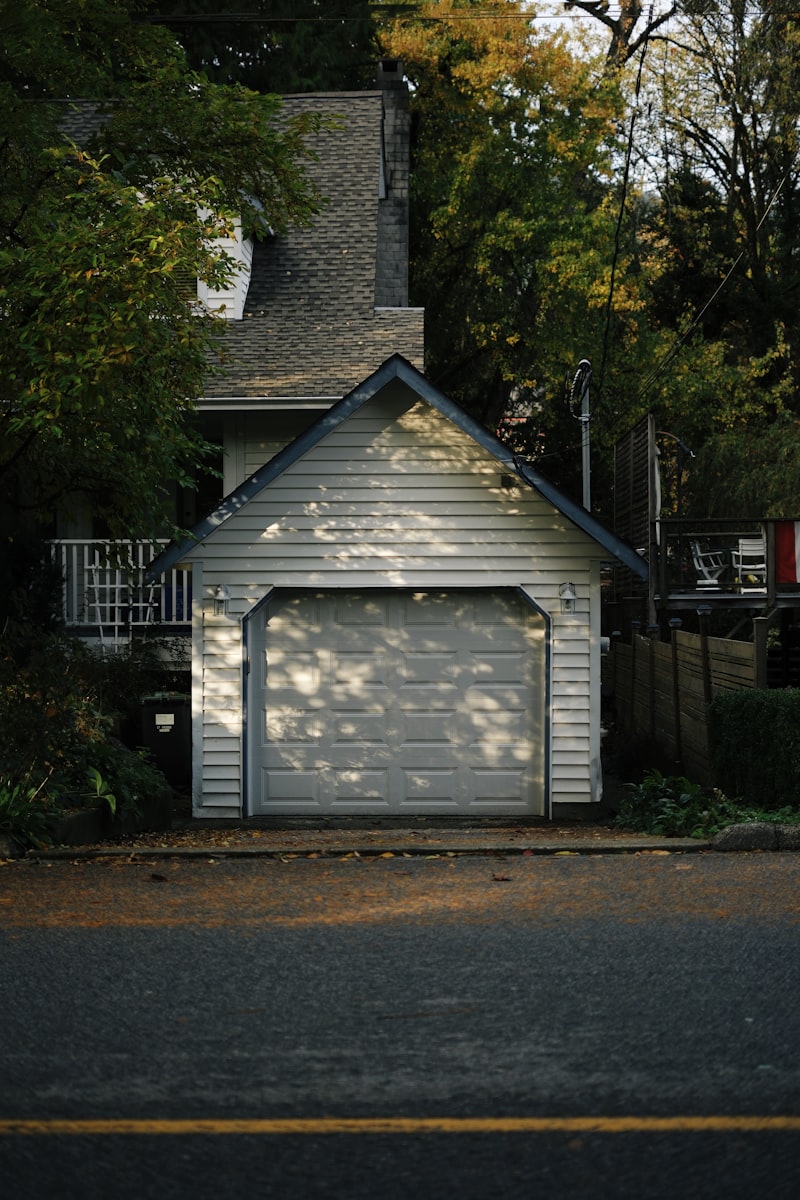
Steel is the default for a reason: it's affordable, strong, and comes in every style. Fiberglass exists for the one thing steel genuinely struggles with, salt air and coastal corrosion.
Strength, Weight, and Dent Resistance
Steel garage doors are built from galvanized steel panels, often insulated with a foam core sandwiched between two steel skins. They're strong, affordable, and resist warping, but a stray basketball or a bumped car can leave a visible dent that's difficult to repair invisibly. Fiberglass doors use a lightweight frame wrapped in molded fiberglass panels, which resist denting far better than steel and won't rust, making them the preferred choice in coastal, high-salt environments.
| Factor | Steel Garage Door | Fiberglass Garage Door | Winner |
|---|---|---|---|
| Installed cost | $800 to $2,500 | $1,000 to $3,500 | Steel |
| Dent resistance | Moderate, dents show and stay | Excellent, resists denting | Fiberglass |
| Rust/corrosion resistance | Moderate, can rust at scratches or coastal areas | Excellent, immune to rust | Fiberglass |
| Weight | Heavier, needs a stronger opener spring | Lighter, easier on the opener | Fiberglass |
| Style and color variety | Extremely wide selection | More limited, fewer manufacturers | Steel |
Where the Extra Cost of Fiberglass Actually Pays Off
In most inland climates, steel is simply the better value: it's cheaper, widely available in every style, and performs perfectly well for decades with basic care. Fiberglass earns its higher price specifically in coastal regions, where salt air corrodes steel panels and hardware over time regardless of the coating quality. If you're more than a few miles from saltwater, the dent resistance is a nice bonus, but it's rarely enough on its own to justify the price gap.
- A scratched steel door needs to be touched up with matching paint quickly, since exposed bare steel starts rusting within weeks in humid or coastal air.
- Insulated steel doors (two-layer or three-layer construction) perform close to fiberglass on energy efficiency, so insulation value alone shouldn't be the deciding factor between the two.
Insulation Value Depends on Construction, Not Just Material
Both steel and fiberglass garage doors range from single-layer, uninsulated options to triple-layer, high-R-value insulated construction, so the material itself is a smaller factor in energy performance than the specific door's layer count and insulation type. A well-insulated steel door can outperform a poorly insulated fiberglass one, which makes checking the door's actual R-value rating more important than assuming fiberglass automatically insulates better.
Impact Resistance for Hurricane and High-Wind Zones
Coastal and hurricane-prone regions often require garage doors rated for specific wind-load and impact standards, and both steel and fiberglass doors are available in code-compliant hurricane-rated versions, typically reinforced with heavier internal bracing regardless of the surface material. If you're in a wind-zone-rated area, confirm the specific door model's certification rather than assuming either material inherently meets code on its own.
Frequently Asked Questions
Do fiberglass garage doors fade in direct sun?
Lower-quality fiberglass can fade or become brittle with prolonged UV exposure over many years. Premium fiberglass doors use UV-stabilized resins specifically to resist this, so it's worth confirming that detail before buying for a sun-exposed installation.
Can a dented steel garage door panel be replaced without replacing the whole door?
Often, yes. Most sectional steel doors are built from individual panel sections, and many manufacturers sell replacement panels that can be swapped in without replacing the entire door, as long as the model is still in production.
How long do steel garage doors typically last before needing replacement?
A well-maintained steel garage door typically lasts 20 to 30 years, with the opener mechanism and springs usually needing service or replacement well before the door panels themselves fail structurally.
Is fiberglass a good choice for a garage door in a hot, sunny climate?
Yes, fiberglass handles intense sun exposure well without the fading or heat-related warping risk that can affect some vinyl products, though checking for a UV-stabilized finish is still worth confirming for the sunniest climates.
Do fiberglass garage doors crack in freezing temperatures?
Quality fiberglass doors are engineered to handle freezing temperatures without cracking, performing reliably in cold Canadian and northern US winters. Extremely low-quality or damaged fiberglass could be more brittle, but this isn't a concern with reputable manufacturers.
How long does garage door installation typically take?
A straightforward replacement into an existing, undamaged frame usually takes 3 to 5 hours for a single crew. Replacing damaged tracks, framing, or upgrading to a heavier insulated door can extend the job to a full day.
Do garage door openers need to be replaced along with the door?
Not always. A functioning opener rated for the new door's weight can often be reused, though heavier insulated doors sometimes exceed an older opener's lifting capacity, which is worth checking against the new door's specifications before assuming the existing opener will work.
Does garage door material affect home insurance rates?
Not directly for most standard homeowner policies, though impact-rated doors required in hurricane zones can factor into wind coverage discounts regardless of whether the door is steel or fiberglass, similar to how impact-rated windows are treated.
Related Remodeling Calculators
Interactive Concrete Slab & Pouring Cost Calculator
See the cost to pour a concrete slab or pad. Our concrete calculator covers patios, shed bases, and driveway pours across the US and Canada.
EstimatorDriveway Cost Calculator & Material Guide
Estimate asphalt driveway cost per square foot or concrete driveway cost. Try our driveway cost calculator for excavation, gravel base, and finishing.
EstimatorInteractive Fence Cost Calculator & Guide
Calculate the cost to build a fence including post hole digging. Our wood fence cost per foot calculator estimates cedar, vinyl, and metal.
In this Category
Planning to Finance This Project?
Model what a renovation loan would cost per month across different amounts, terms, and credit profiles, and read how HELOCs, home equity loans, and personal loans actually differ before you approach a lender.
Model Monthly Payments →US and Canada Pricing
Pricing rates represent consolidated metrics across US Midwest/South, US East/West Coasts, and major Canadian Metropolitan districts.