Tile vs. Luxury Vinyl Plank (LVP)
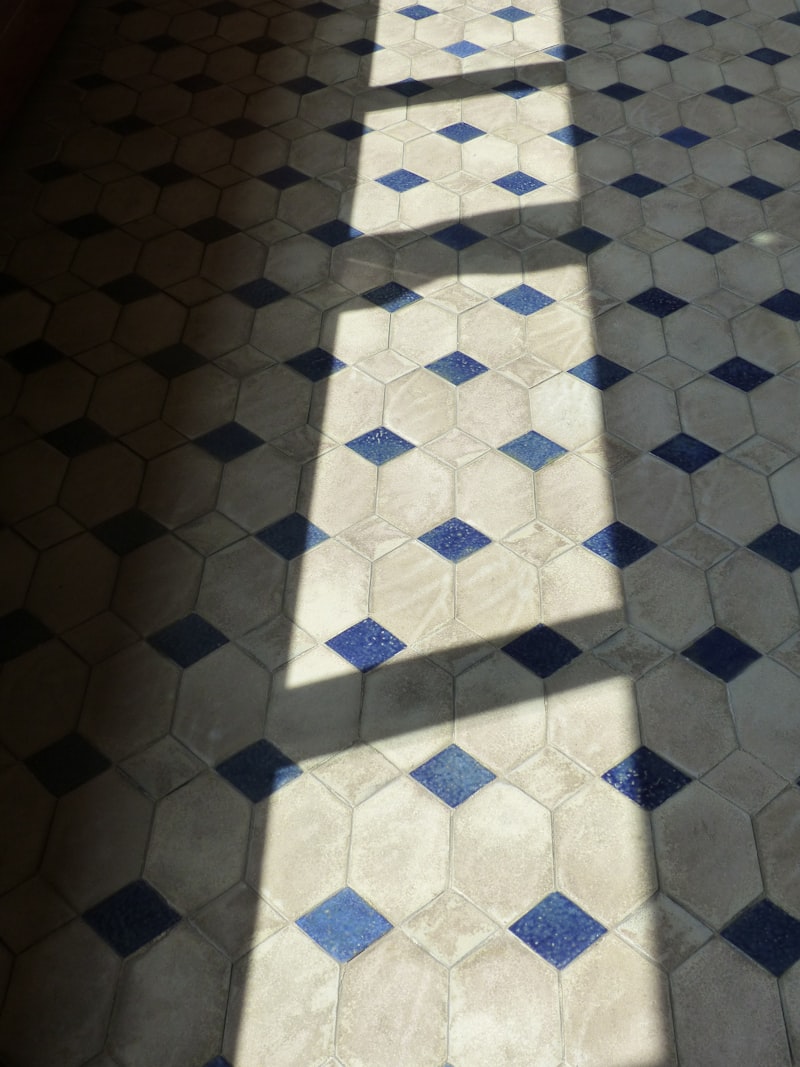
Both are built for wet rooms. Past that, tile and LVP solve the same problem in almost opposite ways: one is a hard, permanent mineral surface, the other is a soft, forgiving plastic plank you can install in an afternoon.
Two Very Different Materials, One Similar Job
Porcelain and ceramic tile are fired clay, set into thin-set mortar and locked in place with grout. It's essentially permanent once installed, and it's genuinely waterproof at the tile itself (grout lines are the weak point). LVP is a multilayer PVC plank with a printed wood or stone pattern under a clear wear layer, installed either as a floating click-lock floor or glued down. It's waterproof edge to edge, including the seams.
| Factor | Ceramic/Porcelain Tile | Luxury Vinyl Plank | Winner |
|---|---|---|---|
| Installed cost | $7.00 to $20.00 / sq ft | $4.50 to $11.50 / sq ft | LVP |
| Comfort underfoot | Cold, hard, tiring to stand on | Warmer, slight give, more comfortable | LVP |
| Scratch and dent resistance | Excellent, essentially scratch-proof | Good, but heavy furniture can dent it | Tile |
| Installation time | 2 to 5 days including mortar cure time | 1 to 2 days, walkable same day | LVP |
| Long-term resale value | Higher, seen as a permanent upgrade | Good, but seen as a mid-range finish | Tile |
Where Each One Actually Belongs
Tile is still the right call for a primary bathroom or a shower surround where you want a floor that will outlast the house. LVP makes more sense in a basement, a rental unit, or any room where installation speed and budget matter more than maximum permanence. Neither is the wrong answer. They're built for different tolerances for cost, time, and comfort.
- Grout is the real vulnerability in a tile floor, not the tile itself. Unsealed grout absorbs water and stains within a year or two.
- Rigid-core LVP (SPC) can be installed directly over old tile in many cases, which can cut demolition costs significantly on a renovation.
Resale Perception Varies More by Room Than People Expect
Tile in a primary bathroom or kitchen reads as a permanent upgrade to most buyers and appraisers, while LVP in those same rooms is often perceived as a value or rental-grade choice even when the product itself performs excellently. In a basement, a laundry room, or a secondary bathroom, that perception gap narrows considerably, and LVP is broadly accepted as a smart, practical choice rather than a compromise.
Repair and Replacement Down the Road
A cracked tile can be replaced individually if you kept spare tiles from the original installation, though matching grout color exactly years later is genuinely difficult. Damaged LVP planks, especially click-lock floating installations, are often easier to swap since replacement planks don't need to match aged grout, just the flooring's own color, which fades more uniformly across the whole floor.
Frequently Asked Questions
Does LVP feel cheap compared to tile?
Higher-end LVP with a textured, embossed-in-register surface feels convincingly close to real stone or wood underfoot. Budget flexible vinyl sheets are what create the cheap-feeling reputation, not rigid-core LVP planks.
Can you put LVP in a shower?
Not recommended for a shower stall itself. LVP handles standing water and splashes fine on a bathroom floor, but a shower needs a sloped, fully sealed waterproofing membrane that click-lock or glue-down LVP isn't designed to provide.
Which is better for a kitchen with heavy foot traffic?
Both hold up well. Tile wins on scratch resistance from dropped pots and pans, while LVP wins on comfort for anyone standing at a counter for long stretches. Many kitchens end up choosing based on comfort and budget rather than durability, since both materials genuinely last for decades in a kitchen setting.
Does tile or LVP feel colder in winter?
Tile feels noticeably colder underfoot in an unheated room, especially over a concrete slab, unless paired with radiant floor heating. LVP retains a bit more warmth naturally, though neither compares to carpet or engineered wood for winter comfort without added heating.
Can tile or LVP be installed over radiant floor heating?
Tile is the traditional choice for radiant heat since it conducts warmth evenly and consistently. LVP can work too, but only products explicitly rated for radiant heat, since standard vinyl can soften, discolor, or off-gas under sustained direct heat exposure.
Which flooring type is quieter, tile or LVP?
LVP is noticeably quieter underfoot and reduces impact noise between floors better than tile, which is one reason multi-family buildings and condos often restrict hard tile installation in upper units while allowing LVP with an underlayment pad.
Does grout color fade over time on a tile floor?
Unsealed or poorly sealed grout can lighten or discolor from UV exposure and cleaning chemicals over years. Sealing grout on a regular schedule and using pH-neutral cleaners slows this considerably compared to grout left unsealed and cleaned with harsh products.
Is one option better for homes with allergies?
Both are considered allergy-friendly compared to carpet, since neither traps dust, pet dander, or pollen the way fibers do. Tile's grout lines can accumulate dust if not cleaned regularly, while LVP's continuous surface is marginally easier to keep allergen-free with routine sweeping.
Related Remodeling Calculators
Interactive Concrete Slab & Pouring Cost Calculator
See the cost to pour a concrete slab or pad. Our concrete calculator covers patios, shed bases, and driveway pours across the US and Canada.
EstimatorDriveway Cost Calculator & Material Guide
Estimate asphalt driveway cost per square foot or concrete driveway cost. Try our driveway cost calculator for excavation, gravel base, and finishing.
EstimatorInteractive Fence Cost Calculator & Guide
Calculate the cost to build a fence including post hole digging. Our wood fence cost per foot calculator estimates cedar, vinyl, and metal.
In this Category
Planning to Finance This Project?
Model what a renovation loan would cost per month across different amounts, terms, and credit profiles, and read how HELOCs, home equity loans, and personal loans actually differ before you approach a lender.
Model Monthly Payments →US and Canada Pricing
Pricing rates represent consolidated metrics across US Midwest/South, US East/West Coasts, and major Canadian Metropolitan districts.