Vinyl vs. Wood Windows
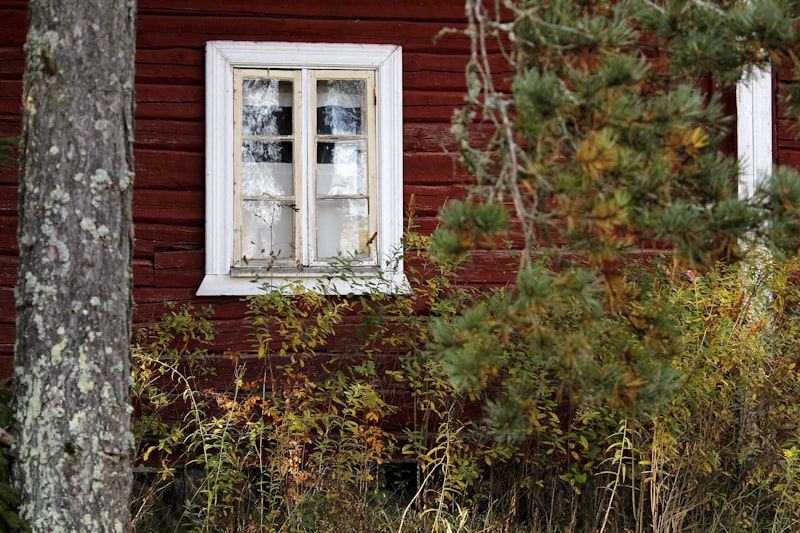
Wood windows are what most old houses were originally built with, and what a lot of historic district rules still require. For everyone else, this comes down to upkeep tolerance versus upfront budget.
The Core Tradeoff
Vinyl windows are extruded PVC frames, completely maintenance-free, and among the most budget-friendly replacement options available. Wood windows offer a warmth and paintability that vinyl can't fully replicate, and they're often required by historic preservation guidelines, but they demand real upkeep: exterior paint or stain every 3 to 7 years depending on exposure, and eventual sash repair as wood ages.
| Factor | Vinyl Windows | Wood Windows | Winner |
|---|---|---|---|
| Installed cost (per window) | $400 to $900 | $800 to $1,800+ | Vinyl |
| Maintenance | None required | Repaint/reseal every 3 to 7 years | Vinyl |
| Paintable/customizable color | No, color is molded in | Yes, any color, any time | Wood |
| Insulation performance | Good | Good, especially with modern cladding | Tie |
| Historic district compliance | Often not permitted | Frequently required or preferred | Wood |
Clad-Wood Windows Split the Difference
A large share of the wood-window market today isn't pure wood at all. Clad-wood windows have a real wood interior, which keeps the paintable, traditional look on the inside of the house, with an aluminum or vinyl exterior shell that eliminates the outdoor maintenance burden entirely. They cost more than plain vinyl but noticeably less than full solid wood, and they're often what historic guidelines actually mean by 'wood windows' in practice.
- Old single-pane wood windows can often be restored and weatherstripped rather than replaced, which is frequently cheaper than full replacement and is the only option allowed in many historic districts.
- Vinyl windows can warp slightly in extreme heat against dark-colored siding, an issue clad-wood and fiberglass frames don't share.
Fiberglass Windows Deserve a Mention in This Comparison Too
This page compares vinyl and wood specifically, but fiberglass windows sit as a genuine third option worth knowing about: they cost more than vinyl but less than solid wood, expand and contract with temperature far less than vinyl, matching glass more closely, and can be painted like wood without wood's ongoing maintenance burden. For anyone torn between vinyl's price and wood's look, fiberglass is worth a direct look before settling on either extreme.
Interior vs. Exterior Material Doesn't Have to Match
A window's interior and exterior faces don't need to be the same material, which is exactly what clad-wood windows exploit: real wood trim and sash on the inside for a traditional look, an aluminum or vinyl shell on the outside where weather actually hits. This split approach is worth considering room by room, since a formal living room might justify the cost of real wood interior trim while a spare bedroom doesn't need the same treatment.
Frequently Asked Questions
Are wood windows worth it if I'm not in a historic home?
For most homeowners outside historic districts, clad-wood or fiberglass windows deliver the look of wood with far less maintenance than solid wood, making pure solid-wood frames a harder case to justify on cost alone.
Do vinyl windows lower a home's resale value compared to wood?
Generally no, for a standard home. Buyers overwhelmingly prioritize that windows are new, efficient, and not drafty over the specific frame material, except in historic or high-end architectural homes where wood is expected.
How much does it cost to convert old single-pane wood windows to double-pane?
Full sash replacement kits designed to fit existing wood frames run considerably less than full window replacement, since the existing jambs and exterior trim stay in place. This is often the most budget-friendly way to significantly improve an old wood window's efficiency without losing its historic look.
Do vinyl windows perform worse in very cold climates?
Quality vinyl windows perform well in cold climates and are widely used throughout Canada and the northern US. The main cold-weather consideration is thermal expansion and contraction over many freeze-thaw cycles, which is more of a long-term seal durability question than a performance issue in any single winter.
Can wood windows be painted any color, including dark colors?
Yes, though very dark colors on the exterior absorb more heat and can accelerate wood expansion and finish wear slightly faster than lighter colors, worth knowing if you're set on a dramatic dark exterior trim color.
How much does window replacement typically cost for a whole house?
For a home with 10 to 15 windows, vinyl replacement typically runs $6,000 to $12,000 installed, while wood or clad-wood windows for the same house often land between $10,000 and $22,000 depending on style and glass upgrades.
Do new windows actually reduce energy bills noticeably?
Replacing old, single-pane or poorly sealed windows with new double- or triple-pane units genuinely reduces drafts and heating or cooling loss, though the exact dollar savings depend on your climate, current windows' condition, and local energy prices, so results vary more than blanket marketing claims suggest.
How long does window installation take per window on average?
A straightforward insert replacement takes 30 to 60 minutes per window for an experienced crew. Full-frame replacement, especially on an out-of-square or rotted opening, takes considerably longer per window regardless of frame material.
Related Remodeling Calculators
Interactive Concrete Slab & Pouring Cost Calculator
See the cost to pour a concrete slab or pad. Our concrete calculator covers patios, shed bases, and driveway pours across the US and Canada.
EstimatorDriveway Cost Calculator & Material Guide
Estimate asphalt driveway cost per square foot or concrete driveway cost. Try our driveway cost calculator for excavation, gravel base, and finishing.
EstimatorInteractive Fence Cost Calculator & Guide
Calculate the cost to build a fence including post hole digging. Our wood fence cost per foot calculator estimates cedar, vinyl, and metal.
In this Category
Planning to Finance This Project?
Model what a renovation loan would cost per month across different amounts, terms, and credit profiles, and read how HELOCs, home equity loans, and personal loans actually differ before you approach a lender.
Model Monthly Payments →US and Canada Pricing
Pricing rates represent consolidated metrics across US Midwest/South, US East/West Coasts, and major Canadian Metropolitan districts.